 (Image via
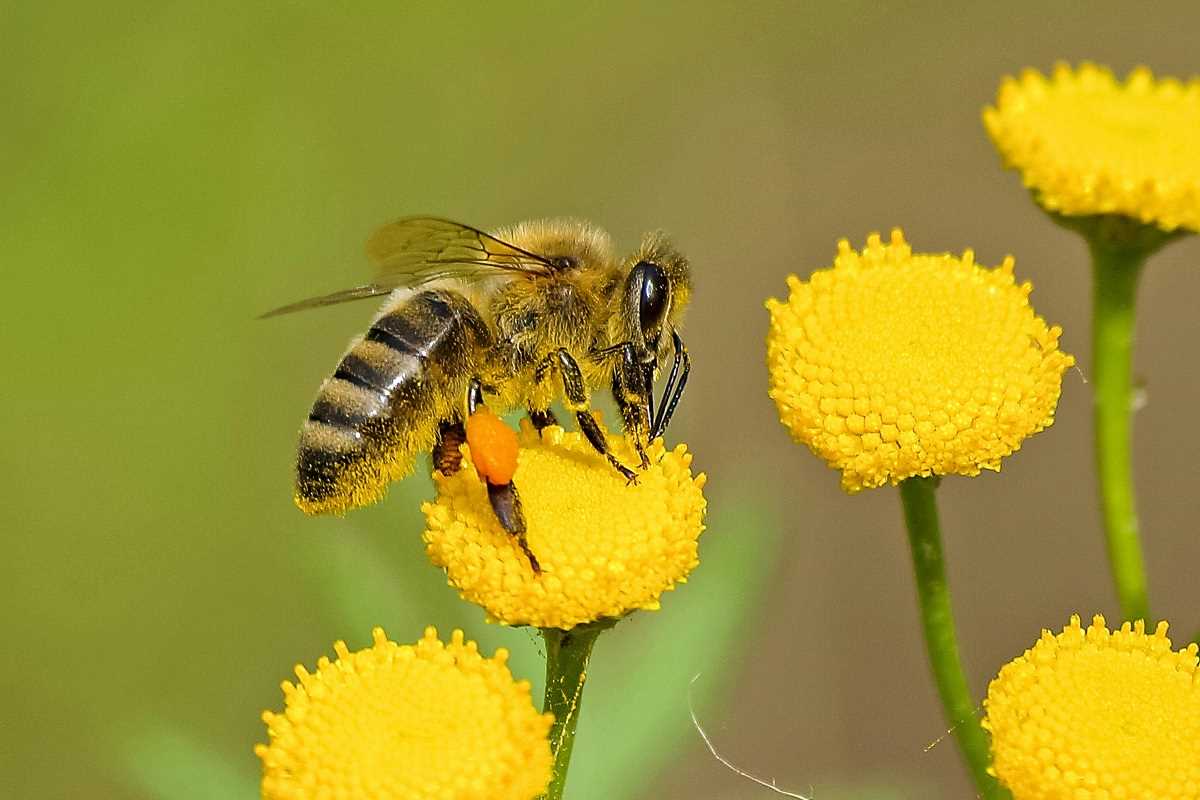
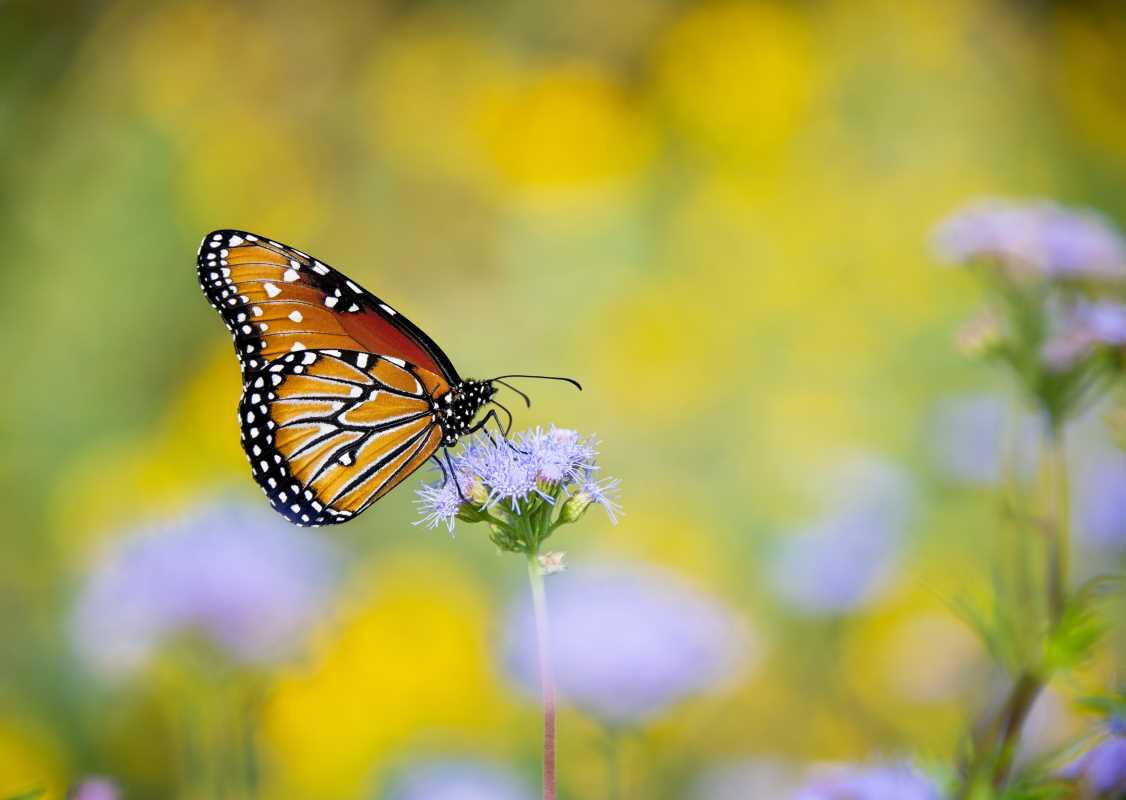
Imagine stepping into your own yard and being surrounded by a sea of wildflowers, buzzing bees, and fluttering butterflies. This type of landscape is a living, breathing ecosystem that offers a beautiful, low-effort alternative to a traditional lawn. Creating this magical space is an achievable dream for any gardener. It involves letting go of the perfect, manicured look and embracing a more natural, wild aesthetic. This approach not only saves you time on mowing and watering but also creates a vital habitat for local wildlife. You can transform a portion of your property into a storybook scene with a bit of planning and patience, creating a personal haven that changes with the seasons.
What is a Backyard Prairie?
A backyard prairie or meadow is a garden style inspired by natural grasslands. It features a mix of regional grasses and wildflowers, creating a dynamic and self-sustaining environment. Unlike a conventional lawn that consists of a single type of grass, this landscape is a diverse community of plants that work together. This diversity is what makes it so resilient and beneficial.
The core idea is to establish a collection of plants that are native to your specific region. These plants have spent thousands of years adapting to the local climate, soil, and rainfall patterns. This means they are naturally equipped to thrive without much help from you. They require less water, no fertilizer, and are more resistant to local pests and diseases.
The process involves a few key steps: removing existing turf, preparing the soil, selecting the right seed mix, and managing the area as it grows. It’s a project that trades the weekly chore of mowing for occasional, strategic maintenance that helps the ecosystem flourish. The result is a beautiful, ever-changing tapestry of color and texture that supports pollinators and brings a touch of wild nature right to your doorstep.
Planning Your Storybook Landscape
Successful naturalized areas start with a good plan. Taking the time to prepare will make the entire process smoother and ensure your beautiful new space thrives for years to come.
Choosing the Right Spot
The first step is to select the perfect location. Most of these plants, especially wildflowers, need a lot of sunlight to bloom profusely. Look for an area that receives at least six to eight hours of direct sun each day. A spot with full, unobstructed sunlight is ideal.
Consider the soil as well. Most native grasses and wildflowers are not picky and can grow in average conditions. Poor or lean soil can actually be an advantage, as it discourages aggressive weeds that might outcompete your desired plants. You should, however, ensure the area has decent drainage. These plant communities generally do not like to have their roots sitting in water.
Start small. A common mistake is trying to convert your entire lawn at once. A smaller, manageable plot of 100 to 200 square feet is a great starting point. This allows you to learn the process without feeling overwhelmed. You can always expand your planting in the following years.
Preparing the Site
This is the most labor-intensive part of the process, but it's crucial for success. You must completely remove the existing lawn and any weeds. Any leftover grass or weed roots will compete with your new seedlings for water, light, and nutrients.
There are several methods for removing turf. One popular and eco-friendly technique is solarization. You can cover the area with a large sheet of clear or black plastic, securing the edges with rocks or soil. The sun's heat will build up under the plastic, effectively "cooking" the grass and weeds beneath. This process takes about six to eight weeks during the hottest part of the summer.
Another option is to smother the area. Cover the plot with several layers of cardboard or newspaper, then top it with a thick layer of compost or wood chips. This blocks sunlight, killing the vegetation underneath over several months. Once the old grass is gone, you can rake the area lightly to create a smooth, ready surface for seeding.
Selecting Your Plants and Seeds
The magic of this type of garden comes from its plants. Choosing the right mix of local grasses and wildflowers is essential for creating a beautiful and sustainable habitat.
The Importance of Regional Species
Always choose plants and seeds that are from your region. Local nurseries, your state's native plant society, or your local cooperative extension office are excellent resources for finding out which species will work best. These plants are the foundation of the local food web, providing essential food and shelter for birds, bees, butterflies, and other beneficial insects. Non-native species may not offer the same benefits and can sometimes become invasive.
Creating the Perfect Mix
A healthy planting contains a balanced mix of grasses and wildflowers. Grasses provide structure, help suppress weeds, and offer overwintering habitat for insects. Wildflowers provide the color and nectar that attract pollinators. A good rule of thumb is a mix of about 50-70% grasses and 30-50% wildflowers.
Include a variety of flowers that bloom at different times throughout the growing season. This ensures there is always something blooming, providing a continuous source of nectar for pollinators from spring through fall. For example, you could include early bloomers like Wild Columbine, mid-season stars like Coneflower and Black-Eyed Susan, and late-season beauties like Asters and Goldenrod.
Consider the heights and textures of your plants. A mix of tall, medium, and short plants will create visual interest and a more natural, layered look.
Sowing and Caring for Your New Space
With your site prepared and seeds selected, you are ready to plant. The best time to sow seeds is typically in the late fall or early spring.
Planting Your Seeds
Fall sowing allows the seeds to go through a natural cold, moist period over the winter (a process called stratification), which helps many native seeds germinate. Early spring planting also works well, as it gives the seedlings a full season to grow.
Mix your seeds with a carrier like sand or sawdust. This helps you distribute the small seeds more evenly over the area. Broadcast the seed mix by hand, scattering it as uniformly as possible. Aim for good seed-to-soil contact. You can gently rake the seeds into the soil or use a lawn roller to press them down. Do not bury them too deep; most wildflower seeds only need to be covered by a tiny amount of earth.
The First Year: Patience is Key
The first year of this project is all about root growth. You may not see a lot of flowers. Instead, the plants are focusing their energy on establishing deep, strong root systems. During this time, it is important to keep the area watered, especially during dry spells. The soil should be kept consistently moist for the first four to six weeks to help the seeds germinate.
You will also need to manage weeds. Young seedlings are vulnerable to being crowded out. You can control weeds by hand-pulling them or by mowing the area at a high setting (about 6-8 inches) a few times during the first year. This cuts down the taller annual weeds before they can set seed, while allowing the shorter, slow-growing perennials to get established.
Your fairy-tale landscape will not happen overnight. It takes two to three years for most to become fully established. Be patient, and trust the process. Each year, your planting will become more beautiful and resilient, rewarding you with an enchanting piece of nature in your own backyard.