 (Image source: Gemini)
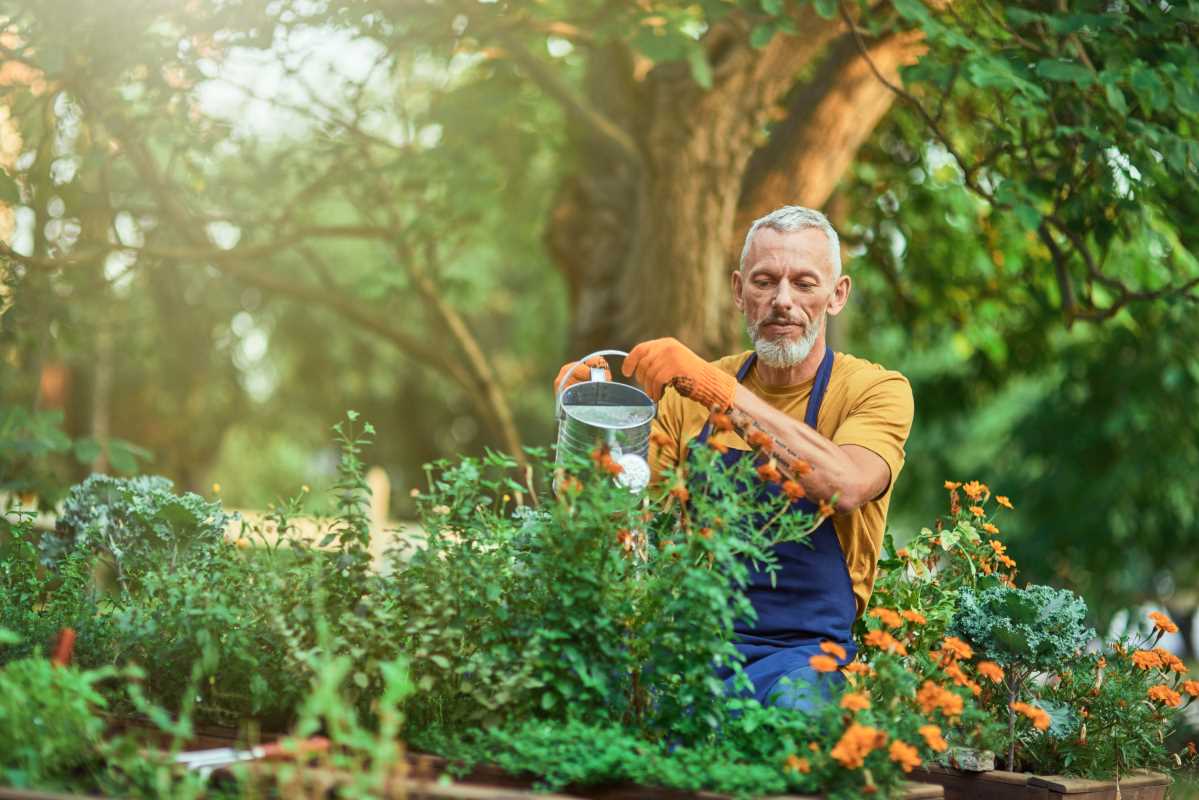
 When you treat your outdoor area as a living space, the benefits go both ways. Your plants get the care they need to thrive, and you get a sanctuary that recharges your battery. So what does this actually mean for your weekend chores? It means shifting toward practices that work with nature instead of trying to control it. You'll spend less time fighting weeds and more time enjoying the view. The modern approach is about being smart with your resources. It's about using the right technology to save water and choosing plants that actually want to be in your yard. It's also about creating functional zones where you can eat, lounge, and breathe. If you've been feeling like your yard is a burden, it's time to change the way you look at garden design.
Harmonizing Your Sanctuary
Your yard is more than just curb appeal. It's a place where you can connect with the natural world without leaving your property. This connection, often called biophilic design, is a major trend this year. It focuses on using organic shapes and natural materials to make a space feel more inviting. Think of it like bringing the comfort of your living room outside.
A healthy garden supports your mental wellness. Research has shown that even a few minutes spent in a green space can lower stress levels and boost creativity. By designing your yard with human needs in mind, you're creating a reason to step outside more often. Whether it's a quiet nook for morning coffee or a large table for family dinners, these zones make the space functional.
Sustainable practices are the secret to keeping this sanctuary low-maintenance. When you build a garden that can take care of itself, you're not a slave to the lawnmower. This year, the focus is on "rewilding" parts of the yard. This doesn't mean letting it go to seed, but rather choosing plants that belong there and letting them grow in their natural forms.
Soil Health is The Foundation of Every Growing Garden
Think of your soil as the gut health of your garden. If the microbiome is off, nothing else works right. One of the most important shifts we've seen recently is the move toward regenerative gardening. Instead of tilling the earth and disrupting the complex network of fungi and bacteria, we're now embracing the no-dig method.
By layering compost and mulch on top of the soil, you're feeding the ecosystem from the top down. This preserves the soil structure and keeps carbon locked in the ground. It also makes your plants much more resilient. Healthy soil can hold a staggering amount of water. For every 1% increase in organic matter, the soil can hold up to 20,000 gallons of water per acre. That's a huge defense against the dry spells we've been seeing lately.
Composting has also gone high-tech. If you live in a smaller space, you might use vermicomposting with worms to turn kitchen scraps into liquid gold for your plants. Some gardeners are even using smart sensors to track their compost piles via smartphone apps. It's a closed-loop system that keeps waste out of landfills and puts nutrients back into your flower beds.
Strategic Planting for Ecosystem Balance
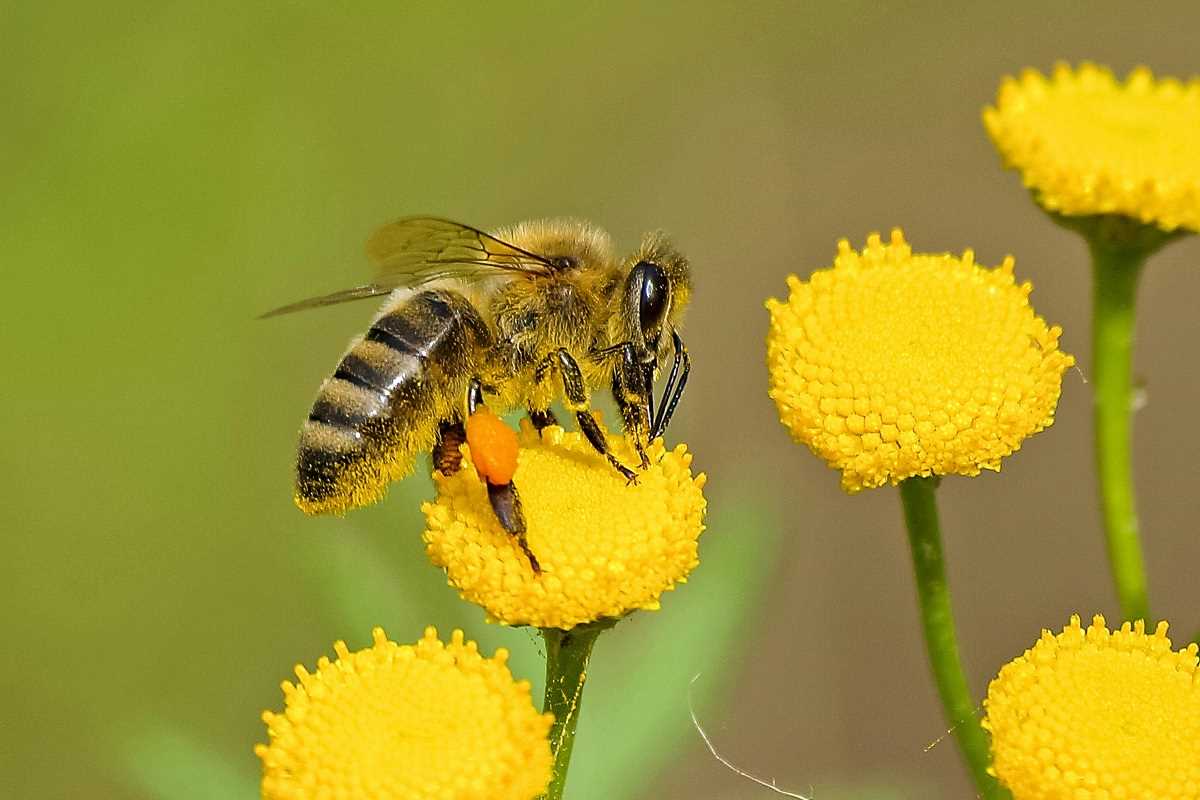
The days of the perfectly manicured, chemical-dependent lawn are fading away. Now, it's all about biodiversity. You want a garden that hums with life. This starts with choosing native keystone plants. These are the workhorses of the environment. They provide food and shelter for local pollinators, which in turn helps your entire garden grow better.
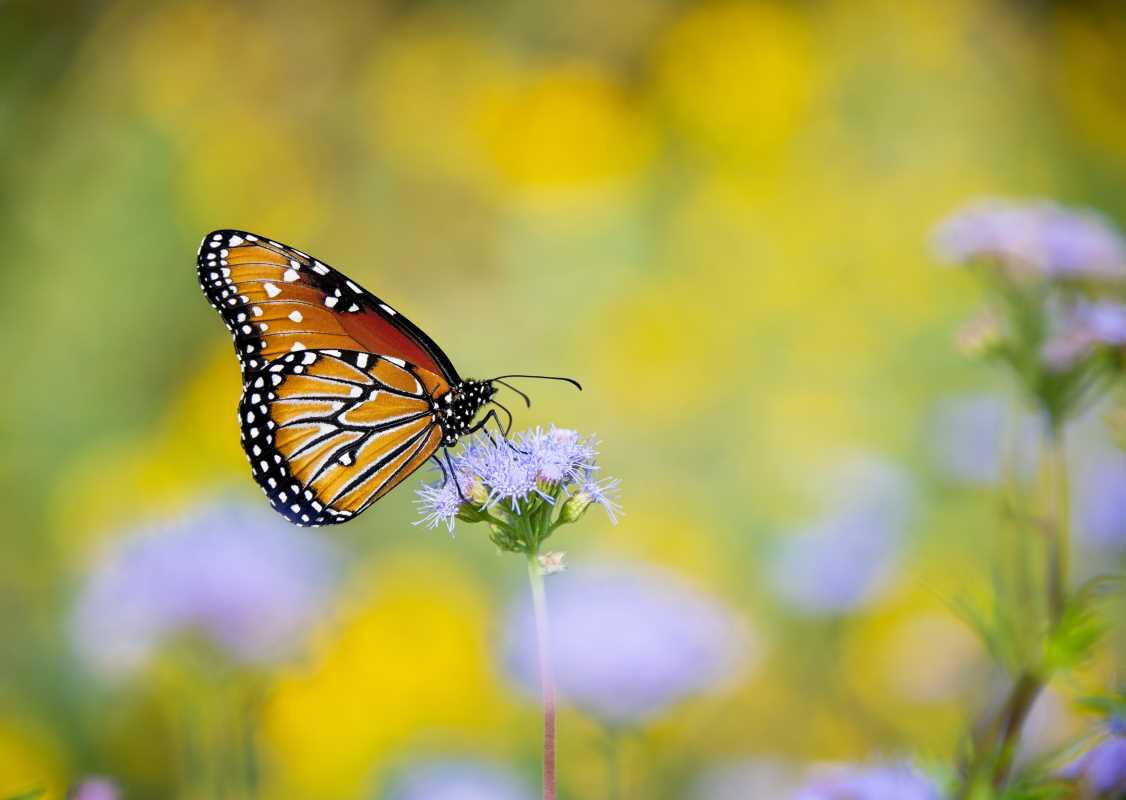
Recent data shows that nearly 30% of adults are now specifically buying plants that support pollinators like bees and butterflies. For 2026, top picks include Milkweed, Coneflower, and Goldenrod. These aren't just good for the bugs. They're also tough as nails. They've evolved to handle your local climate, so they don't need constant pampering or extra water to survive.
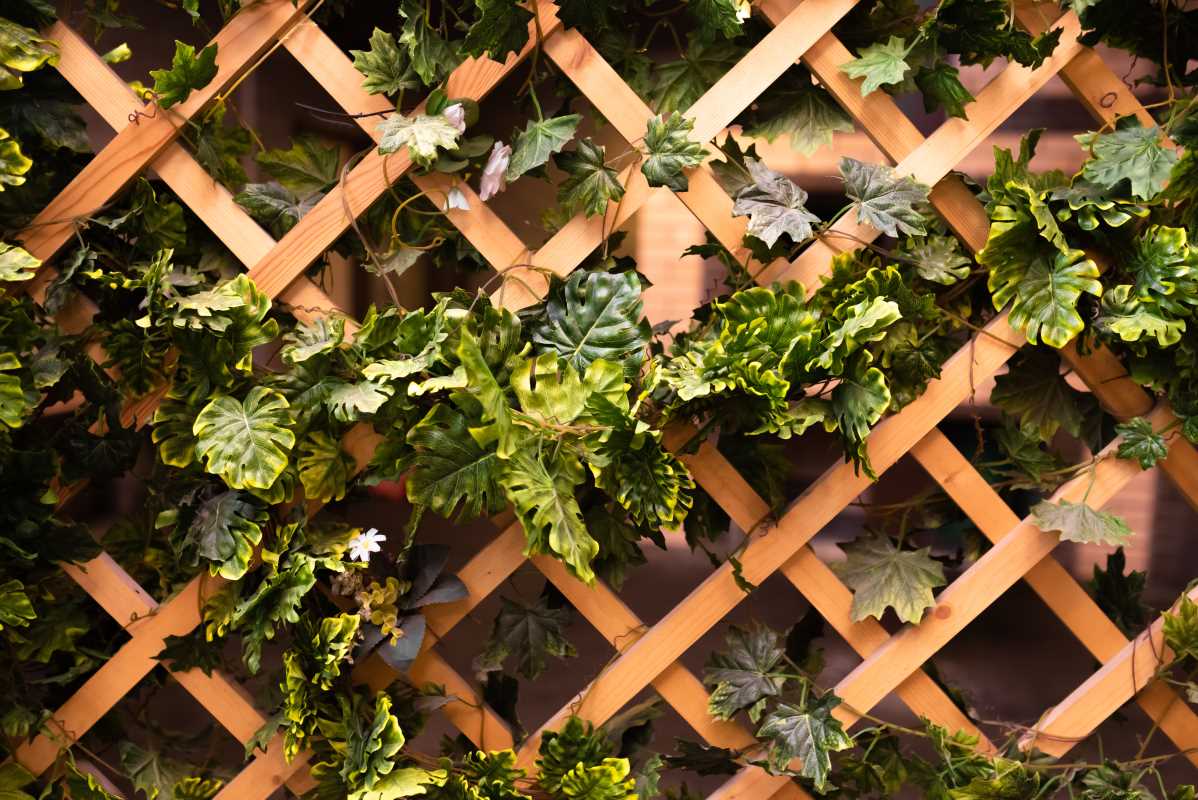
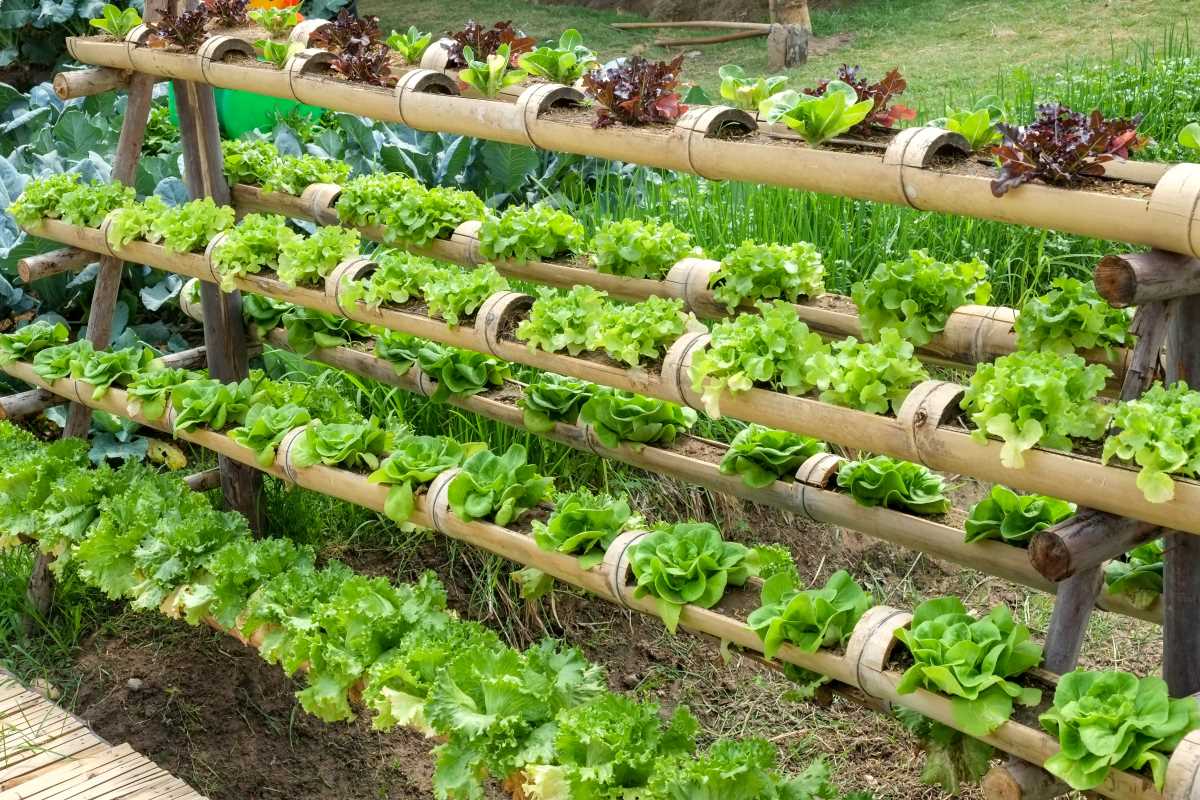
You should also think in layers. Instead of just planting at ground level, create vertical interest. Use tall trees for shade, mid-sized shrubs for privacy, and groundcovers to protect the soil. This gets the most of your space and creates different habitats for wildlife. Integrating edible plants into these layers is another great move. You can tuck compact berry bushes into your ornamental beds for a snack that looks as good as it tastes.
Smart Maintenance for a Relaxing Outdoor Experience
Nobody wants to spend their entire Saturday weeding. The key to a relaxing yard is working smarter. This starts with the "right plant, right place" rule. If you put a sun-loving plant in the shade, you'll be fighting a losing battle with pests and disease. When you match a plant to its ideal conditions, it stays healthy on its own.
Mulching is your best friend here. A thick layer of organic mulch suppresses weeds and keeps moisture in the ground. It also adds a finished, professional look to your garden beds. As it breaks down, it feeds the soil, so you're checking off multiple boxes at once. It's the ultimate low-effort, high-reward garden chore.
Technology is also stepping up to help. AI-driven irrigation systems, like the Rachio 3, use real-time weather data to decide when to water. If it rained last night, the system skips the morning cycle. This can save you up to 50% on your outdoor water use.¹ It's better for your plants, too, because they don't get overwatered. Robotic mowers are another 2026 favorite. They provide tiny clippings that act as a natural fertilizer, keeping your grass green without the need for heavy chemicals.
Integrating Living Spaces into Your Garden Layout
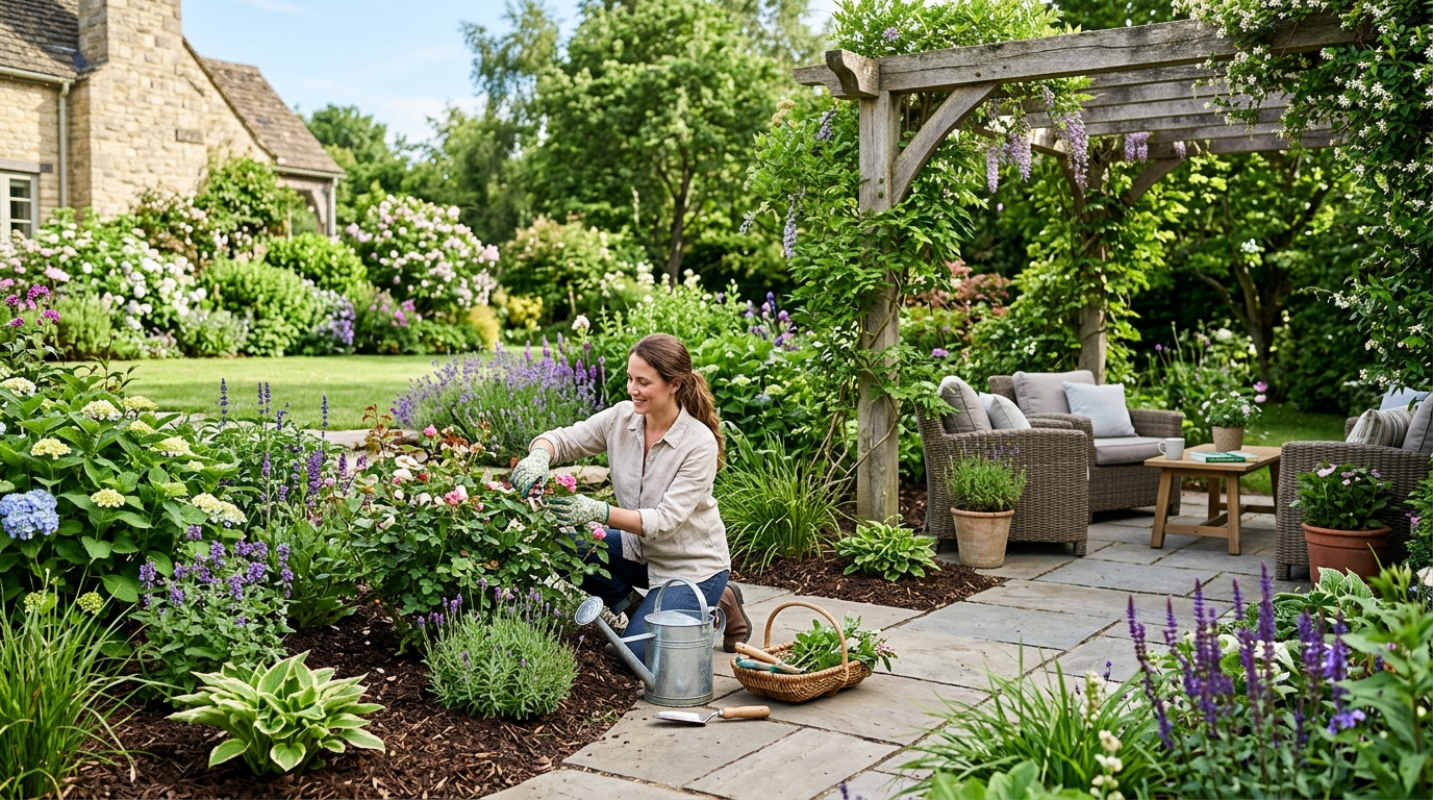
Designing a garden that improves your life means thinking about how you actually use the space. Do you need a spot to work on your laptop? Or a place for the kids to play? Creating functional zones helps organize the yard. You can use plants as natural privacy screens instead of putting up a wooden fence. Tall grasses or a row of Serviceberry trees can block the wind and the neighbors' view.
The materials you choose for your patio or walkways matter just as much as the plants. Permeable hardscaping is a big trend for 2026. Instead of solid concrete that causes water runoff, use gravel, permeable pavers, or grass grids. These allow rainwater to soak directly into the ground, which is much better for the local water table and your plants' roots.
For the aesthetic side, we're seeing a shift toward earthy, grounded colors. The 2025 Pantone color Mocha Mousse is still everywhere this year, providing a warm backdrop that makes green foliage pop.⁶ To add a little excitement, many people are using Teal as an accent in furniture or even in plants like Blue Fescue. It creates a calming, aquatic feel even in dry climates.
Growing With Your Space
A garden is never truly finished, and that's the beauty of it. It's a living, breathing thing that changes with the seasons and the years. The most successful outdoor spaces are the ones where the owners are patient. You don't need to do everything at once. Start with the soil, pick a few native plants, and see how the space feels.
As your garden matures, it will become more than just a hobby. It will become a place where you can watch the cycle of the seasons and feel a sense of accomplishment. By using sustainable practices and smart design, you're building something that will last. You're creating a healthy environment for your plants and a beautiful, restorative home for yourself.
Take the time to sit in your garden and just observe. Notice which plants the bees like and where the sun hits at different times of the day. This "slow gardening" approach is the best way to understand what your yard needs. In the end, the goal isn't a perfect picture from a magazine. It's a space that feels like you and makes your life just a little bit better every day.