 (Image via
Seeing ants in the kitchen or stumbling across a spider web can be frustrating, but you don’t have to rely on harsh chemical sprays to get rid of them. Many people prefer natural methods that are safer for families and pets. With some simple homemade solutions and a bit of preventative care, you can tackle common household pests effectively. For example, ants can be deterred with vinegar or citrus sprays, while spiders often avoid peppermint oil. Cleaning up crumbs and sealing food properly can prevent cockroaches. Fruit flies can be trapped using apple cider vinegar and dish soap. By using these safe and practical methods, you can keep your home bug-free while protecting your loved ones and the environment.
Prevention: The First Line of Defense
Keeping unwanted visitors out starts with making your home less appealing to them. Preventative steps are often the most effective and simplest way to keep problems under control.
Seal Entry Points
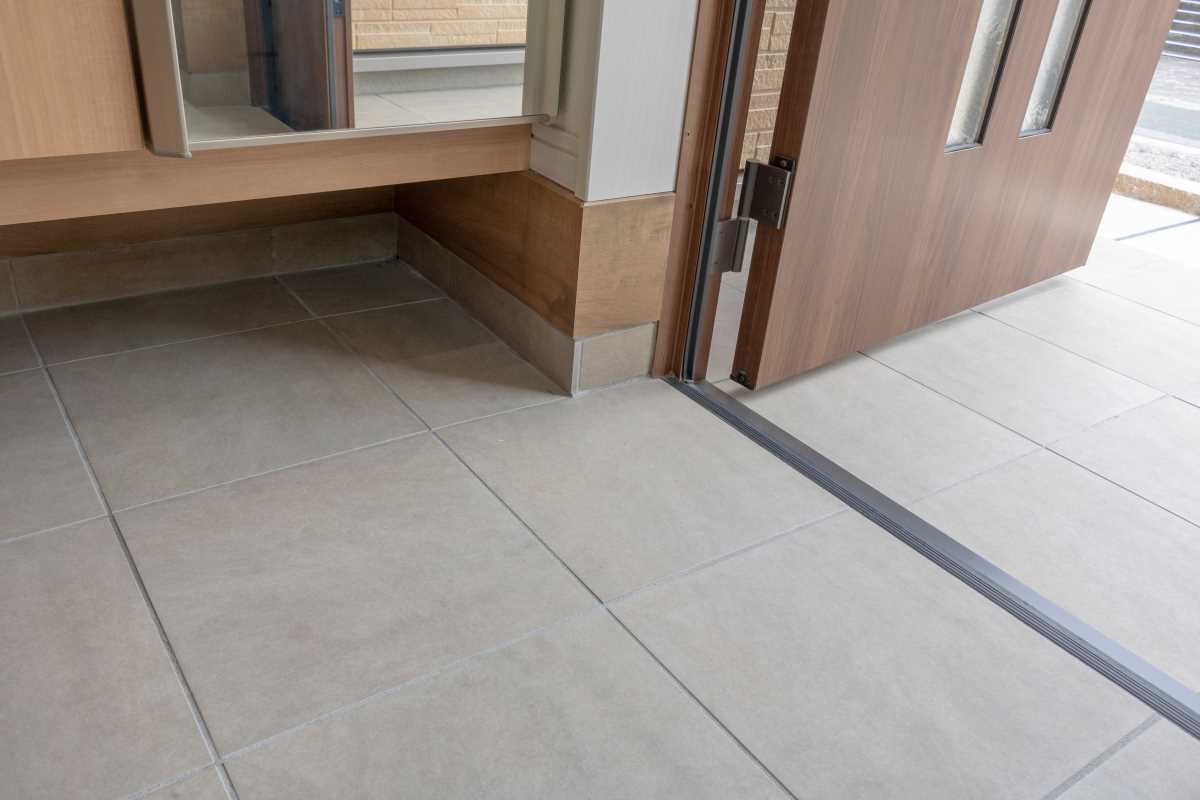
Small insects are skilled at slipping in through even the tiniest gaps. Walk through your home and look for cracks in the foundation, gaps near windows and doors, or holes around utility pipes. Use caulk to fill in these spaces, and don’t forget to check kitchens and bathrooms. Installing or replacing worn weatherstripping around doors and windows helps block tiny invaders as well.
Keep It Clean
Regular cleaning disrupts pests’ favourite spots to hide and feed.
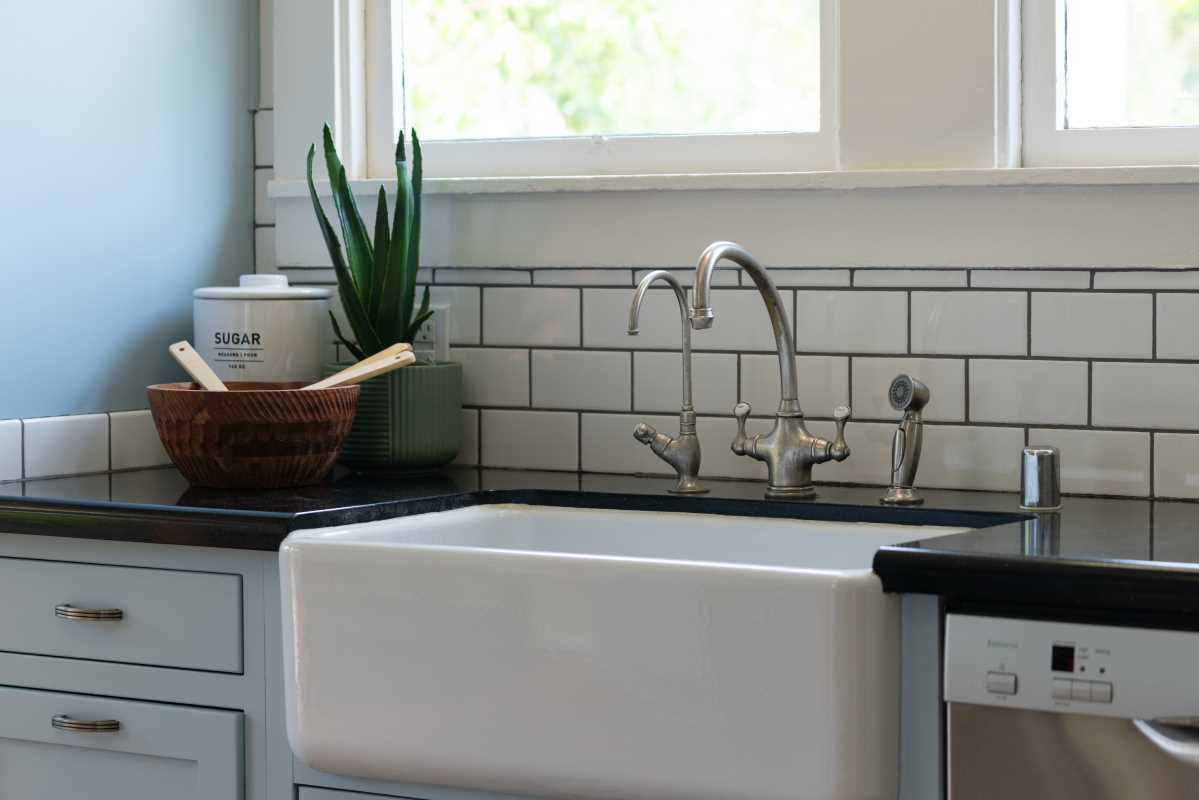
- In the Kitchen: Clean up crumbs and spills right away. Store all food, including pet dishes, in sealed containers. Washing dishes after meals and cleaning under appliances limits hidden messes.
- Trash and Recyclables: Take garbage out often, and use a can with a tight lid. Rinse food containers before recycling to remove sugar and residue.
- Managing Moisture: Bugs often seek out damp places. Fix leaks and drips quickly. Consider using a dehumidifier in areas prone to excess moisture, and be sure your gutters direct water away from your foundation.
Natural Solutions for Common Household Bugs
Even with great habits, you might still find a few surprise guests. Here’s how to address typical pest problems with household supplies while keeping everyone safe.
Dealing with Ants
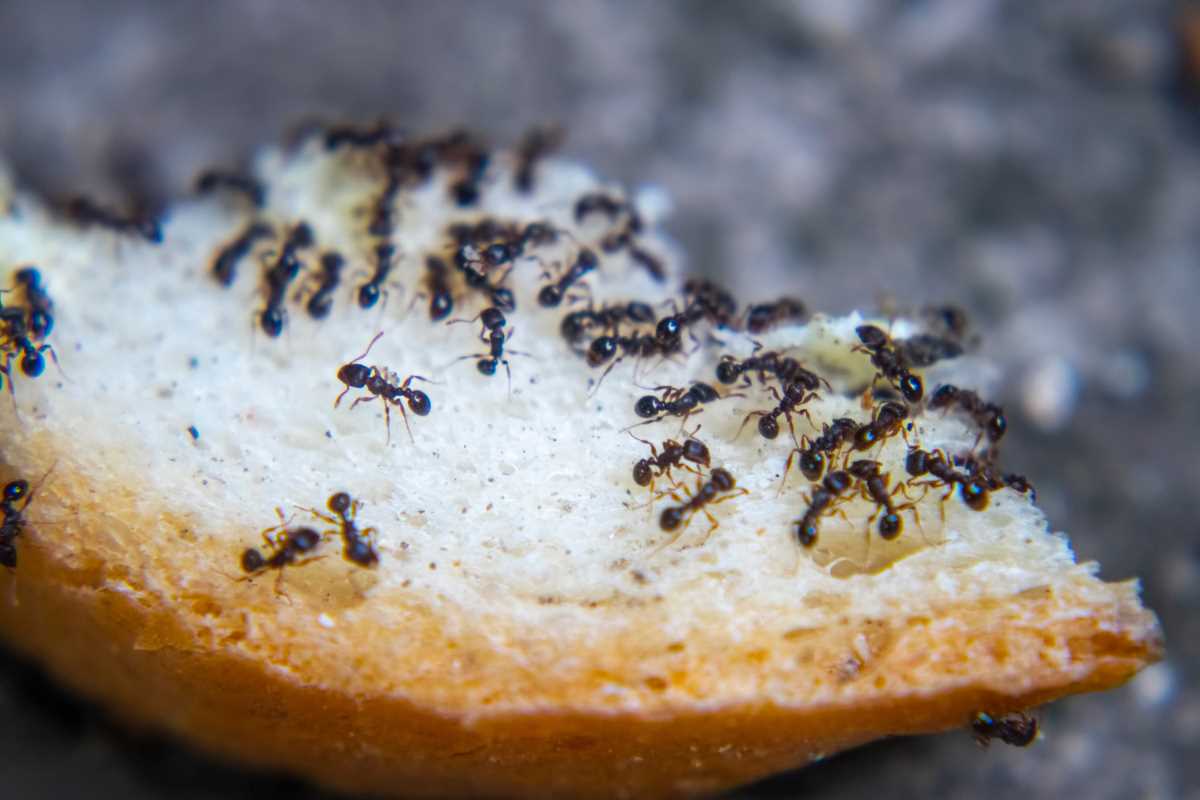
Ants are notorious for finding snacks and inviting their entire colony.
- Vinegar Spray: Fill a spray bottle with half white vinegar and half water. Spritz ants directly and along their trails, baseboards, and entryways. This erases the invisible scent trail ants use to navigate.
- Food-Grade Diatomaceous Earth: Make sure you use food-grade diatomaceous earth (DE), not the type used for pools. Sprinkle a thin layer along baseboards, under appliances, and where you see ants. The fine powder scratches an ant’s outer shell, dehydrating it. Always avoid breathing DE dust, and keep it out of reach of children and pets.
- Peppermint Oil: Ants dislike the strong aroma of peppermint. Mix 10–15 drops in a cup of water, and spray it around doors, windows, and cracks. Soak cotton balls and place them in spots where ants appear. Use care. Peppermint oil can be toxic to cats and some small pets if they ingest or come into contact with it, so store bottles and soaked items safely.
Reducing Spiders
Spiders help by eating other insects but few people want them indoors.
- Citrus Peels: Spiders tend to avoid citrus aromas. Rub lemon or orange peels onto windowsills, baseboards, and corners, or leave bits of fresh peel in problem spots.
- Cedar: The scent of natural cedar chips, blocks, or sachets in closets and drawers makes these areas less attractive to spiders.
- Vacuuming and Dusting: Consistent cleaning will get rid of egg sacs, webs, and the tiny bugs spiders hunt, encouraging them to set up shop elsewhere.
Controlling Fruit Flies
Fruit flies multiply in warm weather and seem to appear overnight.
- Apple Cider Vinegar Trap: Pour a small amount of apple cider vinegar into a jar, add a drop of dish soap, and cover the top with plastic wrap secured by a rubber band. Poke several small holes in the wrap. The flies go in, but can’t find their way out and the soap prevents them from escaping. Replace every couple of days for best results.
- Storing Produce: To avoid attracting more flies, keep ripe fruits and vegetables in the fridge and dispose of any that are past their prime quickly.
Banishing Cockroaches
Roaches are tough, but certain household tricks slow them down.
- Baking Soda and Sugar: Combine equal parts baking soda and powdered sugar. The sugar attracts roaches, while the baking soda harms them. Sprinkle this under sinks and behind appliances.
- Bay Leaves: While bay leaves don’t get rid of cockroaches entirely, the scent can discourage them from entering cabinets or pantries. Place a few whole or crushed leaves in corners and storage areas.
Important Safety Tips for Natural Pest Remedies
- Choose Wisely: Always select food-grade diatomaceous earth for indoor use.
- Use Essential Oils With Caution: Many oils, including peppermint, can be dangerous for cats, dogs, and other pets. Do not use where pets are likely to chew or walk, and wash your hands after handling any oils.
- Keep Solutions Away from Kids and Pets: Store borax, essential oils, and traps where children and animals can’t reach them.
- Avoid Inhaling Powders: Use a mask when distributing DE and open windows to ventilate the area.
Natural methods can make your home less welcoming to tiny trespassers without resorting to harsh sprays or heavy-handed chemicals. Focus on prevention and targeted remedies, follow safety tips, and you’ll enjoy both peace of mind and a pest-free living space.