 (Image via
Creating a beautiful garden that can withstand hot, dry conditions is a smart and sustainable choice. Many gardeners worry that a water-wise yard means sacrificing vibrant colors and lush textures for a space full of rocks and cacti. The reality is far more exciting. A garden designed for low-moisture conditions can be a stunning oasis, teeming with beautiful flowers, fascinating textures, and striking foliage that thrive with minimal water once established. This approach, often called xeriscaping, is about selecting the right vegetation for your climate. This guide will introduce you to some of the best, most resilient options that will keep your yard looking gorgeous even when rainfall is scarce, proving that you don’t need a lot of water to have a show-stopping landscape.
Understanding Water-Wise Gardening
Before we dive into specific plants, it’s helpful to understand what makes a plant suited for dry environments. These species have developed amazing adaptations over time to survive. Some have deep taproots that reach far into the soil to find moisture. Others have leaves that are small, waxy, or covered in fine, silvery hairs, all of which help reduce water loss. Many succulents store water in their thick, fleshy leaves.
The key to a successful low-water garden is to group plants with similar needs together. This practice, known as hydrozoning, makes your watering efforts more efficient. It also involves preparing your soil properly and mulching generously. Even the toughest plants need some water to get established, but once their root systems are developed, they can handle dry spells with impressive resilience.
Stunning Perennials That Beat the Heat
Perennials form the foundation of a garden, returning year after year with reliable beauty. Many of the most colorful and hardy types are naturally adapted to dry conditions.
Lavender (Lavandula)
The calming scent and beautiful purple spikes of lavender are iconic in sunny, dry landscapes. This Mediterranean native loves full sun and well-drained soil. It’s so tough that it actually performs poorly in overly rich or moist conditions, making it a perfect candidate for a low-water planting.
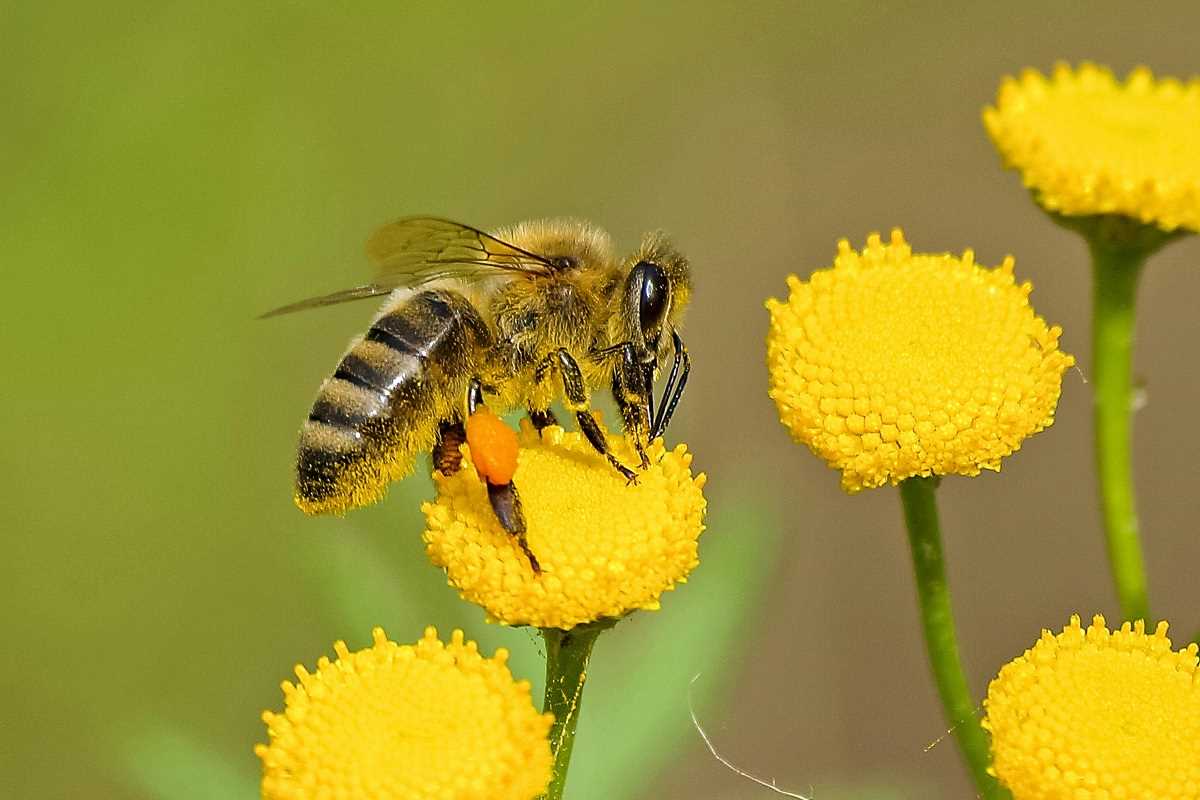
- Why You'll Love It: Lavender is not only beautiful and fragrant, but it’s also a magnet for pollinators like bees and butterflies. It's deer and rabbit resistant, too. Varieties like 'Munstead' and 'Hidcote' are known for their compact size and rich color.
- Growing Tip: Prune it back by about a third in the spring to encourage bushy growth and prevent it from becoming woody.
Coneflower (Echinacea)
With their daisy-like petals surrounding a prominent central cone, coneflowers are a cheerful addition to any yard. These North American prairie natives are built to withstand heat, humidity, and dry spells. While the classic purple coneflower is a favorite, you can now find them in shades of white, yellow, orange, and red.
- Why You'll Love It: Coneflowers bloom for months, from summer through fall, providing long-lasting color. They are fantastic for attracting pollinators, and if you leave the seed heads on in the winter, they provide food for birds like goldfinches.
- Growing Tip: These flowers thrive in full sun and are not picky about soil, as long as it drains well.
Russian Sage (Perovskia atriplicifolia)
Russian Sage creates a soft, hazy cloud of lavender-blue flowers over silvery-gray foliage. It has an airy, delicate texture that contrasts beautifully with bolder plants. This tough perennial is exceptionally heat and drought-tolerant once established and requires almost no care.
- Why You'll Love It: It offers a very long bloom time, often from mid-summer until the first frost. Its upright structure provides a wonderful vertical element in the garden design. Like lavender, it is highly resistant to deer.
- Growing Tip: Cut the stems back to about six inches in early spring to make way for new growth.
Succulents: The Kings of Water Conservation
No discussion of water-wise gardening would be complete without succulents. These plants are the ultimate survivors, storing moisture in their leaves, stems, or roots.
Sedum (Stonecrop)
Sedums are an incredibly diverse group of plants, ranging from low-growing groundcovers to tall, upright varieties. They all share an ability to thrive in poor, dry soil and full sun.
- Upright Sedums: Varieties like 'Autumn Joy' are garden standouts. They form clumps of thick, fleshy leaves and produce large broccoli-like flower heads in late summer that age from pink to a deep rusty red.
- Creeping Sedums: Low-growing types like 'Angelina' or 'Dragon's Blood' form colorful mats of foliage, perfect for rock gardens, groundcover, or spilling over the edges of containers.
- Why You'll Love It: Sedums offer four-season interest, from their emerging foliage in spring to their dried seed heads in winter. They are incredibly easy to propagate.
Hens and Chicks (Sempervivum)
These charming succulents grow in low-rosette shapes (the "hens") and send out smaller, identical rosettes (the "chicks") on runners. They form a dense, textured mat over time and come in a variety of colors, including green, red, and deep purple.
- Why You'll Love It: Hens and Chicks are extremely hardy and can grow in the tightest of spaces, like in the cracks of a rock wall. They require virtually no care once established.
- Growing Tip: They need excellent drainage. Planting them in sandy or gravelly soil is ideal.
Ornamental Grasses for Texture and Movement
Ornamental grasses bring a different kind of beauty to the landscape. They add fine texture, graceful movement, and a soft, rustling sound in the breeze. Many are exceptionally well-suited to dry conditions.
Blue Fescue (Festuca glauca)
This small, clump-forming grass is prized for its spiky, silvery-blue foliage. It forms a neat, rounded tuffet, making it a great choice for edging, mass plantings, or modern garden designs.
- Why You'll Love It: It provides striking year-round color and a unique, spiky texture that contrasts well with other plants. It’s a compact, well-behaved grass that won’t spread aggressively.
- Growing Tip: To maintain its vibrant blue color, plant it in full sun. The clumps may die out in the center after a few years; simply divide them in the spring to rejuvenate them.
Switchgrass (Panicum virgatum)
A native North American prairie grass, Switchgrass is known for its sturdy, upright form and beautiful, airy flower panicles in late summer. Many cultivars offer fantastic fall color, with foliage turning shades of red, orange, or gold.
- Why You'll Love It: It adds height and structure to the garden and remains standing through the winter, providing visual interest. It's also a host plant for several butterfly species.
- Growing Tip: It tolerates a wide range of soils but performs best in full sun. Cut it back to the ground in late winter or early spring.
Creating a garden that conserves resources doesn't mean you have to compromise on beauty. By choosing plants that are naturally adapted to arid conditions, you can design a landscape that is both stunning and sustainable. Combine the vibrant blooms of coneflowers with the silvery foliage of lavender and the architectural forms of succulents. Use ornamental grasses to add movement and texture. With the right plant selection and a little planning, you can have a garden that flourishes with minimal water, saving you time and resources while providing a beautiful retreat.