 (Image via
There's a special kind of satisfaction that comes from harvesting your own food and turning it into a delicious meal just moments later. This is the heart of the garden-to-table experience, a concept that celebrates freshness, flavor, and a direct connection to what we eat. You don't need acres of land to enjoy it. A small backyard plot, a patio with containers, or even a sunny balcony can become your personal market garden. Choosing the right produce is the key to success. The best options are those that not only taste significantly better when freshly picked but are also productive and relatively easy for home gardeners to manage. This guide will explore the top vegetables to grow for an authentic and rewarding culinary journey.
What Makes a Vegetable Great for Your Kitchen?
Not all vegetables offer the same "freshness" payoff. Some, like onions or winter squash, are bred for storage and taste nearly the same after weeks on a shelf as they do fresh from the garden. A great vegetable for a homegrown meal, however, is one that experiences a dramatic loss in quality between being harvested and reaching a grocery store.
The key factors to look for are flavor, texture, and ease of growth. The ideal choices are produce whose sugars quickly convert to starch, whose delicate textures are easily damaged in transit, or whose peak flavor is fleeting. You also want plants that are productive in a home garden setting, giving you a rewarding harvest for your efforts. Let's dive into the top contenders that will make your meals taste like they came from a five-star restaurant.
1. Tomatoes (Solanum lycopersicum)
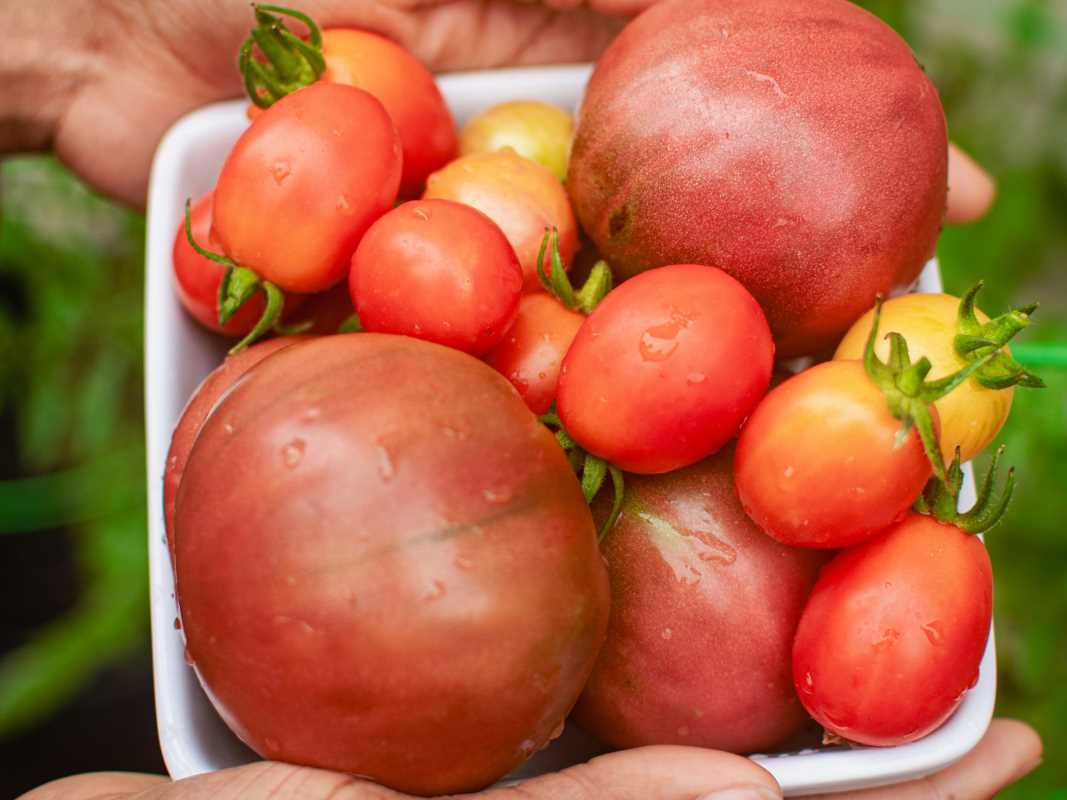
Tomatoes are the undisputed champions of the home garden, and for good reason. The difference in taste between a sun-ripened tomato picked from your own vine and a store-bought one is astounding. Commercial tomatoes are often picked while still green and firm to withstand shipping, then artificially ripened with gas, resulting in a mealy texture and bland flavor.
Why They're Perfect:
- Superior Flavor: Homegrown tomatoes develop their full sugar content and complex flavors on the vine. The taste is rich, sweet, and aromatic.
- Endless Variety: You can grow unique heirloom varieties that you'll never find in a store, like the sweet and tangy 'Cherokee Purple,' the rich 'Brandywine,' or the vibrant 'Green Zebra.'
- Versatility: Fresh tomatoes are a cornerstone of countless dishes. Slice them for salads and sandwiches, make a quick pasta sauce, or simply eat them with a sprinkle of salt.
Growing Tips:
Tomatoes need at least 6-8 hours of direct sunlight per day. Plant them in well-drained soil rich in organic matter. Provide a sturdy cage or trellis for support, as the plants can get heavy with fruit. For smaller areas, look for "patio" or "determinate" varieties that have a more compact, bush-like growth habit.
2. Salad Greens (Lactuca sativa and others)
Fresh salad greens are a game-changer. Bagged salads from the store often lack crispness and can have a slightly bitter or stale taste. Growing your own allows you to harvest tender, flavorful leaves just before you make your salad, resulting in a texture and taste that is incredibly fresh and vibrant.
Why They're Perfect:
- Cut-and-Come-Again Harvesting: Many leafy greens, like loose-leaf lettuce, spinach, and arugula, can be harvested leaf by leaf. This method means the plant will continue to produce new leaves for weeks, giving you a continuous supply.
- Superior Texture: Freshly picked greens have a crisp, tender quality that is impossible to replicate after days of shipping and storage.
- Quick Growth: Many salad greens are fast growers. You can go from seed to salad bowl in as little as 30-45 days, making them a very rewarding crop.
Growing Tips:
Salad greens prefer cooler weather, making them ideal for spring and fall planting. They can be grown in the ground, in raised beds, or in containers. They don't need full, intense sun and can do well with just 4-5 hours of direct light, making them suitable for patios or balconies with partial shade.
3. Snap Peas (Pisum sativum var. saccharatum)
Snap peas are one of the most delightful garden snacks. The moment they are picked, the sugars inside the pods begin converting to starch, which is why store-bought snap peas can sometimes taste bland and fibrous. Eating a snap pea fresh from the vine is a burst of sweet, crunchy goodness.
Why They're Perfect:
- Peak Sweetness: The flavor of a homegrown snap pea is unmatched. They are so sweet you can eat them raw right in the garden.
- Fun to Harvest: The satisfying "snap" sound they make when picked is part of the experience, especially for kids.
- Vertical Growth: Peas are climbing plants, so they are perfect for small spaces. They can be grown on a simple trellis, taking up very little ground area.
Growing Tips:
Like salad greens, peas thrive in the cooler temperatures of spring and fall. Plant seeds directly into the garden as soon as the soil can be worked in early spring. Provide a trellis or fence for the vines to climb. Harvest the pods when they are plump and bright green for the best flavor.
4. Summer Squash (Cucurbita pepo)
Zucchini and other summer squashes are notoriously productive, often leaving gardeners with more than they know what to do with. The advantage of growing your own is being able to harvest them when they are small and tender. The oversized zucchini you often see in stores can be watery and seedy. A young, homegrown zucchini is firm, sweet, and has a delicate flavor.
Why They're Perfect:
- Harvesting at Peak Texture: You can pick summer squash when they are just 6-8 inches long. At this size, the skin is thin, the seeds are undeveloped, and the flesh is dense and flavorful.
- Edible Blossoms: A true culinary delicacy, squash blossoms are edible and delicious. They are fragile and almost never sold in stores. You can stuff them with cheese, batter and fry them, or slice them into salads.
- High Productivity: A couple of healthy plants can provide a steady supply of squash for an entire family all summer long.
Growing Tips:
Summer squash plants love heat and sun. Give them plenty of space to spread out, or choose a bush variety for smaller gardens. The soil should be fertile and well-drained. Keep an eye out for pests like squash bugs and vine borers.
Creating a garden-to-kitchen experience at home is a rewarding journey. It deepens your appreciation for food and connects you to the natural rhythms of the seasons. By starting with these easy-to-grow, high-impact vegetables, you can transform your cooking and enjoy the incredible flavors of food at its absolute freshest. Pick a few favorites, get your hands in the soil, and prepare to taste the difference.