 (Image via
Old barn boards carry a history that makes them truly special. Each scar, knot, and weathered mark tells a story, adding character that is hard to find in new materials. Incorporating salvaged wood into your home is a great way to bring warmth and personality to your space. You can use these boards in many creative ways, from building bold furniture pieces to crafting smaller decorative items. Whether you want a rustic dining table, a cozy headboard, or shelves with charm, the possibilities are endless. This guide will give you practical ideas and easy-to-follow steps to turn old wood into unique items for your home. It's an affordable and eco-friendly way to enhance your space.
Why Choose Wood With a Past?
Bringing aged wood into your home has advantages that go beyond looks. Below are some reasons why so many DIY enthusiasts and designers love working with these materials.
Distinct Personality and Story
Freshly milled lumber usually looks all the same, but planks taken from old barns are anything but ordinary. Exposure to years of weather gives every piece beautiful color shifts and a surface full of character. Saw marks, nail holes, and sun-faded hues hint at where each board’s been. No two planks are ever identical. Incorporating them into projects means you’re creating something no one else has.
Built to Last
Boards from long-standing barns often come from trees that grew slowly over many years. That slow growth creates a denser, often tougher product than the modern wood found at lumberyards. This time-tested strength makes these old boards less likely to warp or split than new options, especially after all those seasons of expansion and contraction. They’re an ideal choice for anyone who wants to make furniture or lasting features.
Better For The Environment
Working with reclaimed materials means fewer trees need to be cut down. It’s a practical way to recycle, as you keep usable boards out of landfills and reduce the energy that would go into milling new timber. Many green building certifications actually reward this kind of “upcycling.” Not only is your project kind to the planet, but it stands out as something made with history and purpose.
How to Source and Prep Salvaged Boards
Before building, you’ll need to track down and ready your wood. Careful preparation will help your projects turn out safe, sturdy, and great-looking.
Where Can You Find Authentic Planks?
There are plenty of spots to look. Architectural salvage businesses often collect timber taken from old structures. Sometimes demolition crews sell usable boards from buildings they’re taking apart. You might spot independent sellers listing boards on sites like Craigslist or Facebook Marketplace. If you live near the countryside, try reaching out to farmers or landowners who plan to tear down an old shed or barn. Oftentimes, they’re happy to see the materials given new life.
Get Rid of Dirt, Bugs, and More
Decades-old wood can be home to grime, insects, and rough splinters. Begin by brushing off loose dust and cobwebs with a stiff bristle brush. For deeper cleaning, use a pressure washer set to medium. This clears away stubborn dirt but is gentle enough to avoid damaging soft wood. Some people swear by using only water, while others like to add a touch of mild soap.
Dry it out thoroughly before moving on. If you’re worried about hidden bugs, one method is to wrap the plank in black plastic and let it sit in the sun to heat up. You should also inspect the boards and cut away any visibly damaged or worm-infested wood. Skip harsh chemicals like bleach because these can ruin colors and textures you want to keep.
Ready For Use Indoors
Patience pays off. Let cleaned wood dry for several days, or even weeks, so it won’t warp later. To make it less rough, use fine sandpaper to gently smooth out splinters and edges, but don’t overdo it or you’ll lose the charming texture. After sanding, many people seal the boards to cut down on dust and keep them from splintering. Try a clear, matte sealant, such as a water-based polyurethane, or a light oil. Some waxes also work, but check that they won’t stain or darken your piece too much. The goal is to protect without changing all the character.
Fresh Ideas For Barn Board Projects
This is where imagination takes over. Here are some creative ways to include history and style in every corner of your space.
Dress Up A Wall
Barn boards make an incredible feature wall. The color and grain draw the eye, adding warmth that’s hard to fake. Lay planks side by side horizontally for a cozy, classic effect, or go vertical if you want to make a ceiling feel taller. Try herringbone or chevron arrangements for a bolder look. Accent walls work especially well in living rooms, bedrooms, or behind a family table.
Unique, Floating Shelves
Turn chunky boards into floating shelves. They’re perfect to hold books, display plants, or keep dishes handy if installed in the kitchen. The deep grain and worn edges give even a simple shelf plenty of personality. You can mount them with hidden brackets for a streamlined look or with exposed, industrial-style hardware as a design feature.
Eye-Catching Sliding Doors
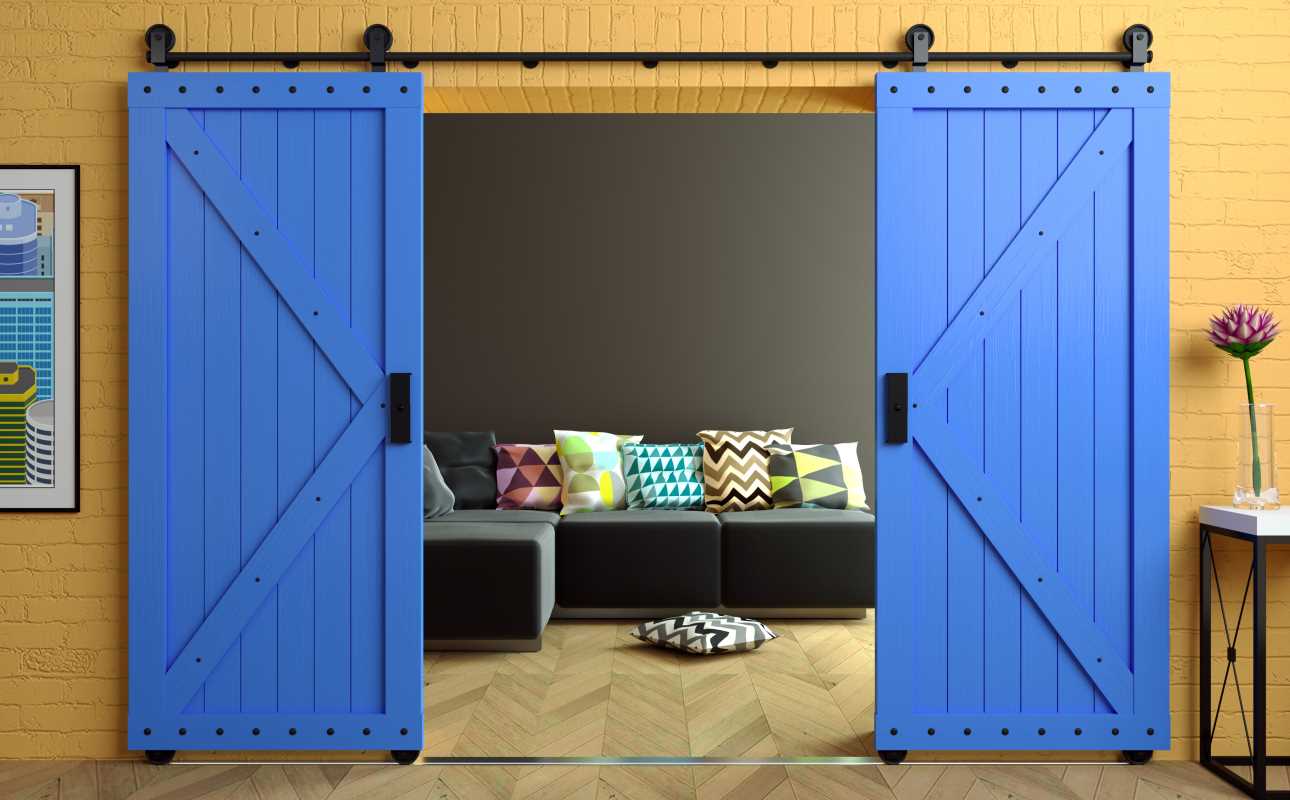
Sliding doors made from old boards serve as both functional dividers and conversation starters. Use one to separate a pantry, closet, or even a bathroom. The natural patterns are beautiful as they slide open and shut, while metal track hardware (in black, brass, or brushed steel) lets you tailor the look.
Stand-Out Furniture Pieces
Put old boards to work in high-traffic, much-loved spots:
- Coffee Tables: A thick, sturdy top brings rustic flair to any living room.
- Dining Tables: Large slabs make perfect tops for family gatherings.
- Headboards: Transform a bed with a backdrop of reclaimed timber.
- Benches: A rugged bench at the entry or dining table welcomes guests in style.
Small Touches That Make a Big Impact
Even simple projects can showcase the lived-in beauty of reclaimed boards.
- Picture Frames: Highlight favorite photos with natural, textured frames.
- Coat Racks: Fasten some vintage hooks to a short plank for an instant entryway upgrade.
- Fireplace Mantels: Top your hearth with a chunky beam for extra warmth and interest.
- Serving Trays: Small, sealed boards with handles bring character to any party.
Using old barn boards does more than fill a space with charm. These projects connect the present to the past and bring sustainability into your everyday life. Each item has its own backstory. Whether you go for a dramatic wall or a small décor accent, using salvaged materials adds meaning that new products can’t replicate. By taking time to choose, clean, and shape these unique boards, you create decorations that are memorable, lasting, and deeply personal.