 (Image via
The gentle sound of trickling water can transform a garden, turning it into a peaceful sanctuary. Adding a moving or still water element to your outdoor space introduces sound, movement, and life, creating a focal point that captivates the senses. Many people think installing one is a huge, expensive project, but there are options for every budget, style, and garden size. You can choose something as simple as a small tabletop fountain or as elaborate as a full-scale ecosystem pond. This guide will explore a variety of ideas, helping you find the perfect one to bring tranquility and beauty to your personal oasis, creating a relaxing retreat you can enjoy for years.
Why Add Water to Your Garden?
Incorporating a liquid element into your garden design does more than just add visual appeal. The sound of moving water has a calming effect, helping to mask unwanted noise from neighbors or traffic and creating a more serene environment. It’s a natural stress-reducer that encourages you to slow down and relax in your outdoor space. As water evaporates, it also helps humidify the surrounding air, which can improve air quality.
Water also introduces a dynamic quality to your landscape. The reflective surface of still water can make a small space feel larger and brighter, mirroring the sky and surrounding foliage. Moving water, on the other hand, creates a sense of energy and life.
Furthermore, these installations are a huge draw for wildlife. Birds will flock to a birdbath or the shallow end of a stream for a drink and a splash. Ponds can support fish, frogs, and dragonflies, turning your yard into a miniature nature preserve. This interaction with wildlife adds another layer of enjoyment and connection to the natural world.
Simple and Small-Scale Ideas
You do not need a massive yard or a huge budget to enjoy the benefits of water in the garden. Many simple, small-scale options can make a big impact in compact spaces like patios, balconies, or small beds.
Container Water Gardens
A container garden is one of the easiest ways to get started. You can use almost any waterproof vessel, such as a large ceramic pot with the drainage hole plugged, a galvanized tub, or a half whiskey barrel. Fill it with water, and you have an instant miniature pond. You can add a few aquatic plants like water lilies or floating hyacinths to create a beautiful display. For a bit of movement, place a small, solar-powered bubbler in the center. These self-contained gardens are perfect for patios and require very little maintenance.
Tabletop and Stand-Alone Fountains
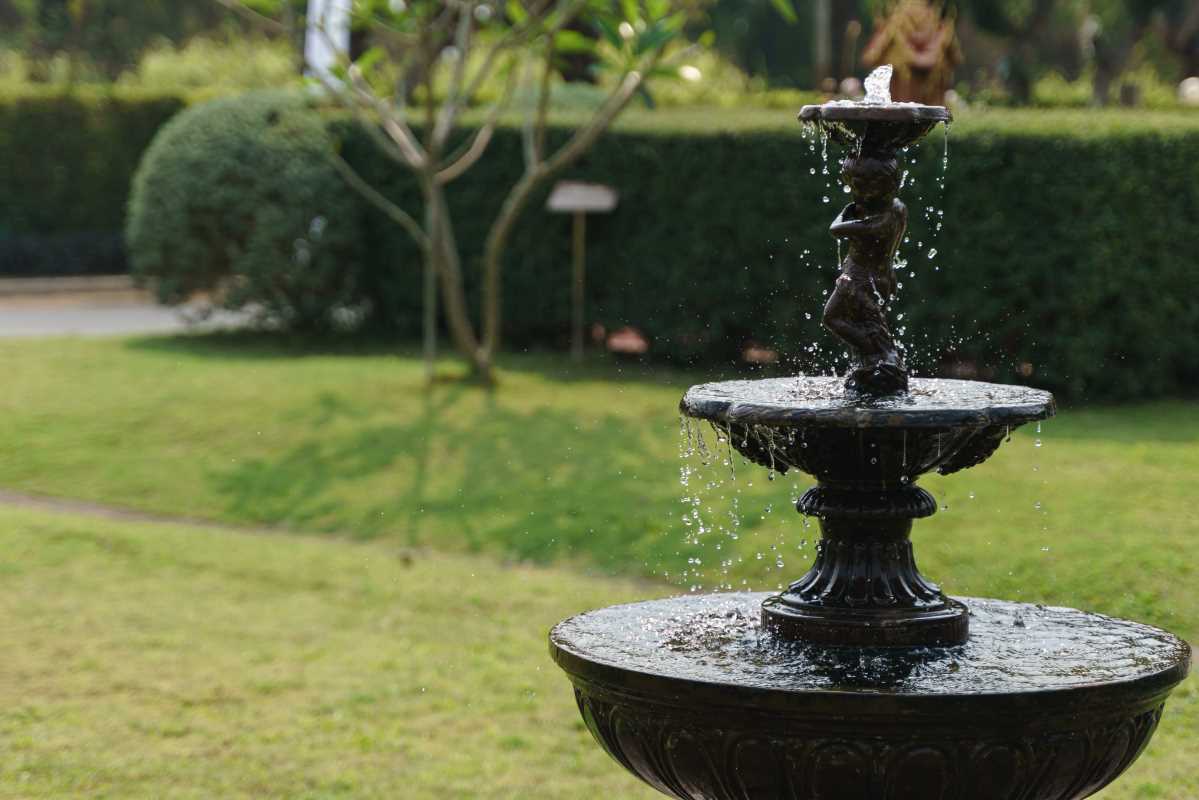
Fountains are a classic choice and come in an endless variety of styles and sizes. A small tabletop version can bring the soothing sound of water to a covered porch or seating area. Larger stand-alone models can act as a stunning focal point in a garden bed or at the end of a path. These are typically self-contained systems, meaning they have a built-in reservoir and pump that recirculates the water. All you need is a nearby electrical outlet or a solar-powered model. They are easy to install and provide instant gratification.
Birdbaths
A birdbath is perhaps the simplest option of all, but its value should not be underestimated. It provides a critical water source for local birds and pollinators. You can find birdbaths in styles ranging from classic concrete pedestals to modern, simple bowls. To make it even more attractive to birds, add a small solar-powered agitator or dripper. The movement and sound of dripping water will catch their attention and draw them in for a visit.
Medium-Sized Features for More Impact
For those with a bit more space and ambition, medium-sized installations can become a defining element of the garden's design. These options require more planning and installation work but offer a greater reward.
Pondless Waterfalls and Streams
A pondless waterfall offers the beautiful sight and sound of moving water without the maintenance and safety concerns of an open body of water. In this system, water flows down a cascade of rocks and disappears into a hidden underground reservoir filled with gravel. A submersible pump in the reservoir sends the liquid back to the top of the waterfall, creating a continuous loop.
This is an excellent option for families with small children or pets, as there is no deep, standing water. These features are also great for smaller yards, as the stream can be designed to meander through a narrow space. You can customize the look with different types of rocks and surrounding plants to create a natural-looking mountain stream or a more formal, structured cascade.
Small Ponds
A small pond can be the heart of a garden ecosystem. You can create one using a flexible liner or a pre-formed rigid shell. Pre-formed ponds are easier for beginners, as they come in set shapes and sizes with built-in shelves for aquatic plants. Flexible liners offer more creative freedom, allowing you to design a custom shape or size.
A pond of about 50 to 100 square feet can support a few hardy fish, like goldfish or shubunkins, and a variety of aquatic plants. The plants are essential for keeping the water clear and healthy. They absorb excess nutrients that would otherwise lead to algae growth. A small pump and filter system will also help maintain quality. A well-balanced pond requires surprisingly little maintenance once established.
Large-Scale Projects for a Grand Statement
For those with ample space and a desire to create a truly immersive experience, a large-scale project can become the centerpiece of the landscape.
Ecosystem Ponds
An ecosystem pond is a large, self-sustaining system designed to mimic a natural body of water. These installations are typically larger, deeper, and incorporate both biological and mechanical filtration to keep the water crystal clear without chemicals. They include a skimmer to remove surface debris and a biological filter at the top of a waterfall to provide aeration and a place for beneficial bacteria to grow.
These ponds can support a thriving population of koi, which are beautiful and fascinating to watch. Surrounding the pond with a variety of marginal and bog plants helps to naturalize the edges and provides habitat for frogs and other wildlife. This kind of project is a significant investment, but it creates a stunning, park-like setting that offers endless opportunities for relaxation and nature observation.
Swimming Ponds
A swimming pond, or natural pool, is the ultimate fusion of a water garden and a swimming pool. It uses plants and natural filtration to keep the water clean and clear, eliminating the need for chlorine and other harsh chemicals. The structure is typically divided into two zones: a deeper swimming area and a shallower regeneration zone filled with aquatic plants. The plants act as a living filter, absorbing nutrients and keeping the water healthy. Swimming in this type of pool is a unique experience, feeling more like taking a dip in a pristine lake than a conventional pool.