 (Image via
Imagine stepping outside your door into a vibrant, whimsical landscape buzzing with life. Your property, once a simple stretch of grass, is now a tapestry of color and texture, reminiscent of a scene from a storybook. This magical transformation is possible with the simple addition of specialty blooms. You don't have to have a magic wand to create an enchanting outdoor space. You just need the right selection of wildflowers. This guide will walk you through choosing the perfect plants to create a beautiful, low-maintenance oasis. We will explore specific options that offer stunning beauty, attract beneficial pollinators like bees and butterflies, and thrive with minimal fuss, turning your ordinary yard into an extraordinary, fairytale escape.
Why Choose These Blooms for a Magical Garden?
A yard filled with native and adapted flowers offers more than just visual appeal. It creates a dynamic ecosystem that supports local wildlife and contributes to a healthier environment. Unlike traditional manicured lawns that often require significant water, fertilizer, and pesticides, a natural meadow is a sustainable and eco-friendly alternative. These hardy plants are naturally suited to your local climate, meaning they require less water and are more resistant to pests and diseases.
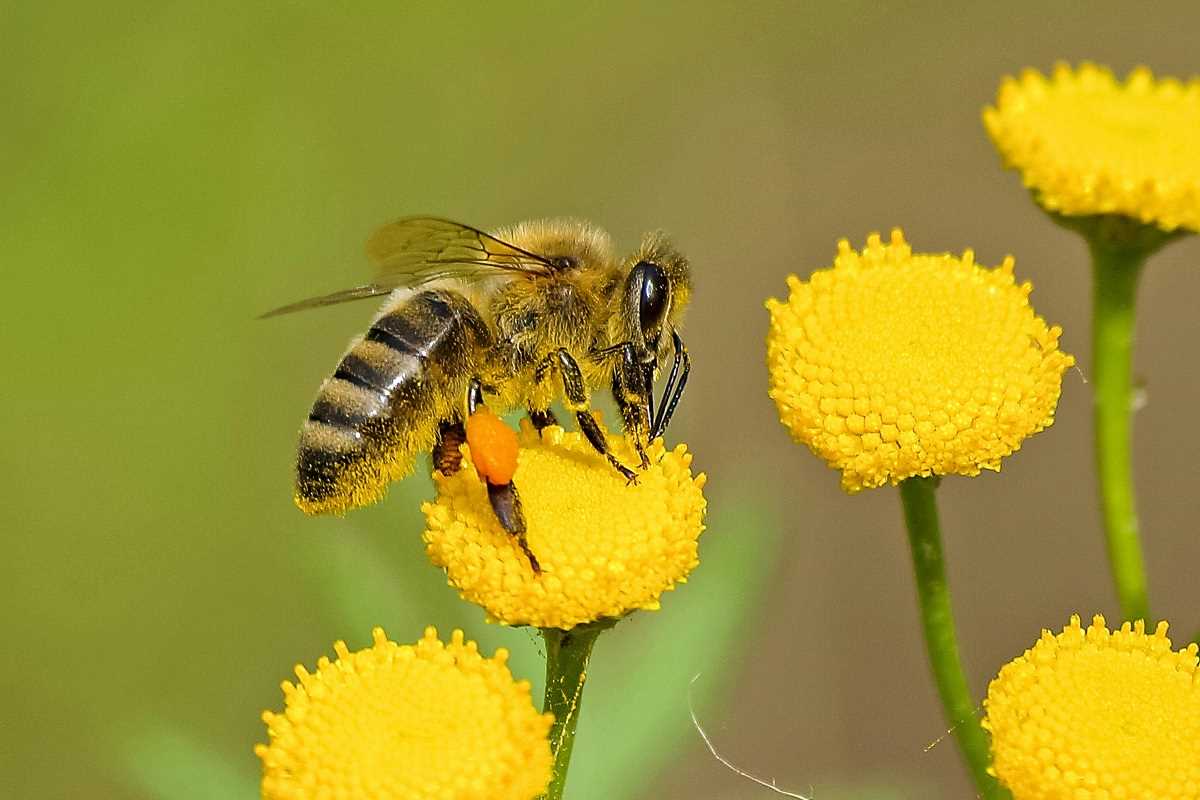
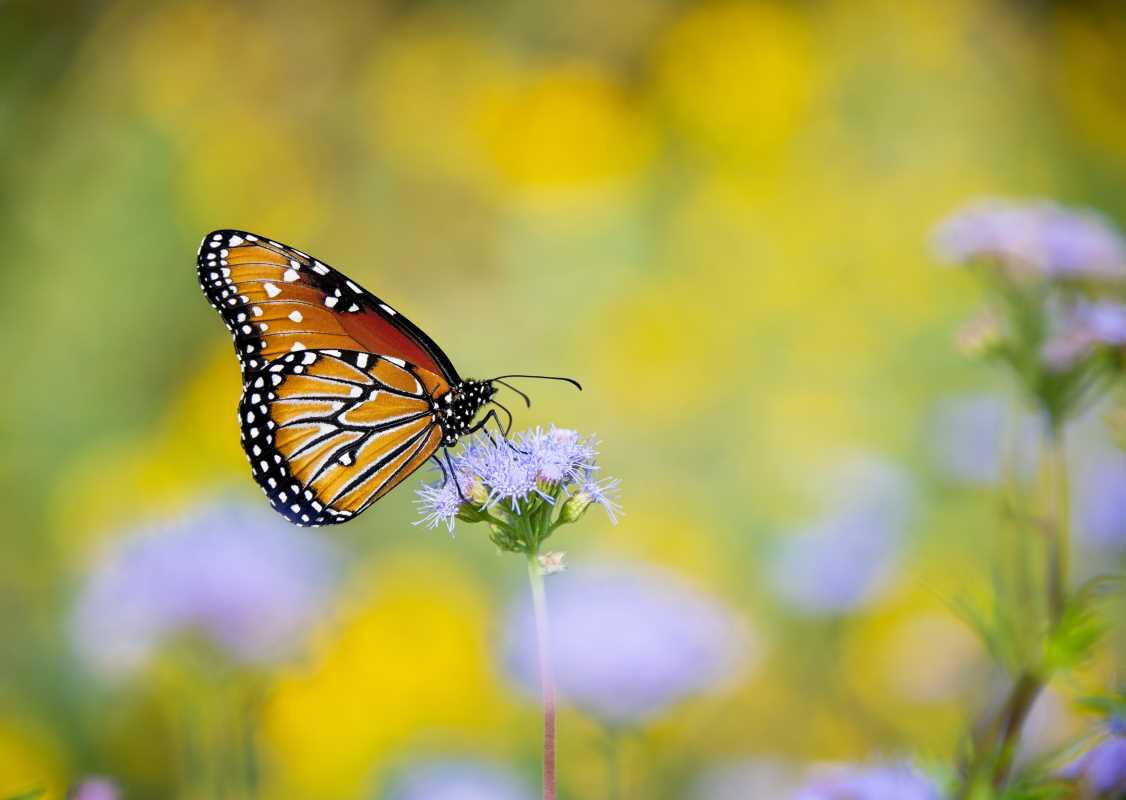
This low-maintenance approach gives you more time to enjoy your garden's beauty. A yard cultivated this way also becomes a sanctuary for pollinators. Bees, butterflies, and hummingbirds are drawn to the rich nectar sources, adding movement and life to your fairytale setting. The gentle hum of bees and the flutter of butterfly wings create an immersive, serene experience. By planting these types of flowers, you are beautifying your space and actively restoring a small piece of nature's balance.
The Best Flowers for a Fairytale Aesthetic
Creating that storybook look is all about choosing plants with the right colors, shapes, and growth habits. You want a mix of textures and heights to create a layered, natural effect. Here are some of the best selections to bring that fairytale vision to life.
Bluebells (Hyacinthoides non-scripta)
Few flowers evoke a sense of woodland magic quite like bluebells. In spring, these plants create a breathtaking carpet of nodding, violet-blue blossoms. They thrive in shady areas with moist, well-drained soil, making them perfect for planting under trees or along the edge of a wooded area. Bluebells will spread and multiply over the years to create a dense, naturalized colony, but this process depends on having the right conditions. Their delicate, bell-shaped flowers are a classic fairytale element, and their sweet scent adds another sensory layer to your garden experience.
Foxglove (Digitalis purpurea)
Foxgloves are the towering spires of the storybook garden. Their tall stalks are lined with large, bell-shaped flowers in shades of purple, pink, white, and yellow. These biennials add vertical interest and a touch of drama to any planting. Their height makes them a great choice for the back of a border. Pollinators, especially long-tongued bumblebees, love to crawl inside their deep blossoms.
Important Safety Note: All parts of the foxglove plant are highly toxic to humans and pets if ingested, even in small amounts. Symptoms of poisoning can be severe. Plant them with extreme care in areas away from small children and animals who might be tempted to touch or eat them.
Columbine (Aquilegia)
Columbine flowers have a unique and intricate shape that looks like a collection of tiny, spurred bonnets. They come in a wide array of colors, including blue, pink, red, yellow, and white, with many varieties being bicolored. This diversity allows you to create a vibrant, multi-hued setting. Columbines are relatively short-lived perennials, but they self-seed readily in well-drained soil and partial shade, ensuring a continuous display year after year. Their delicate, airy appearance adds a touch of whimsy and elegance, and they are a favorite nectar source for hummingbirds.
Baby's Breath (Gypsophila paniculata)
For a dreamy, cloud-like effect, nothing beats Baby's Breath. While often associated with floral arrangements, this plant creates a stunning visual in the garden. Its thousands of tiny white or pale pink flowers form a soft, misty haze that fills in gaps between other plants. This creates a cohesive, ethereal look, making your outdoor space feel like it’s floating. Baby's Breath is drought-tolerant and prefers full sun and well-drained, alkaline soil. Its delicate appearance belies its hardy nature, making it an easy addition for a touch of soft magic.
Planning Your Fairytale Garden
A successful natural garden starts with a bit of planning. You do not need a detailed blueprint, but considering a few key factors will help you achieve that beautiful, untamed look.
Understanding Your Site
First, take stock of your yard's conditions. Observe how much sunlight different areas receive throughout the day. Some plants, like poppies and coneflowers, need full sun (at least six hours of direct sunlight), while others, like bluebells and bleeding hearts, prefer partial or full shade. You should also assess your soil type. Is it sandy, loamy, or heavy clay? Most specialty flowers are adaptable, but choosing plants suited to your existing soil will give them the best start. A simple soil test can provide valuable information about its pH and nutrient content.
Preparing the Area for Planting
Proper preparation is crucial for establishing a healthy meadow. You need to clear the area of existing grass and weeds, which would otherwise compete with your seedlings for water, sunlight, and nutrients. You can achieve this by solarization, which involves covering the area with a clear plastic sheet for several weeks to kill vegetation. Another method is to remove the top layer of sod manually. Once the area is clear, gently rake the soil to create a loose surface for the seeds. Avoid tilling too deeply, as this can bring dormant weed seeds to the surface.
Sowing the Seeds of Magic
The best time to plant your seeds is typically in the fall or early spring. Fall sowing is particularly effective for many native species, as it allows the seeds to go through a natural cold, moist period over the winter. This process, known as cold stratification, is necessary to break dormancy and improve germination rates for certain plants. Spring sowing also works well, especially in colder climates. Mix your seeds with sand or sawdust to ensure even distribution when you broadcast them over the prepared soil. After sowing, lightly compress the seeds into the soil by walking over the area or using a lawn roller to ensure good seed-to-soil contact. Water the area gently and keep it moist until the seedlings are established.
Maintaining Your Enchanting Oasis
One of the greatest benefits of a garden filled with these blooms is its low maintenance. Your fairytale yard will largely take care of itself, but a few simple tasks will keep it looking its best.
During the first year, you will need to water your meadow during dry spells to help the young plants establish strong roots. It is also important to manage weeds. Learn to identify your flower seedlings so you can pull out any competing weeds that appear. After the first year, your garden will be much more self-sufficient.
At the end of the growing season, resist the urge to tidy up immediately. Allow the plants to flower and produce seeds, which will fall to the ground and ensure a new crop of flowers the following year. The standing seed heads also provide crucial food and shelter for birds and other wildlife during the winter months. You can mow the meadow once a year in late fall or early spring. Set your mower to a high setting (about 4-6 inches) to chop up the plant debris and return nutrients to the soil. This single annual mow is often all the care your special garden will need.