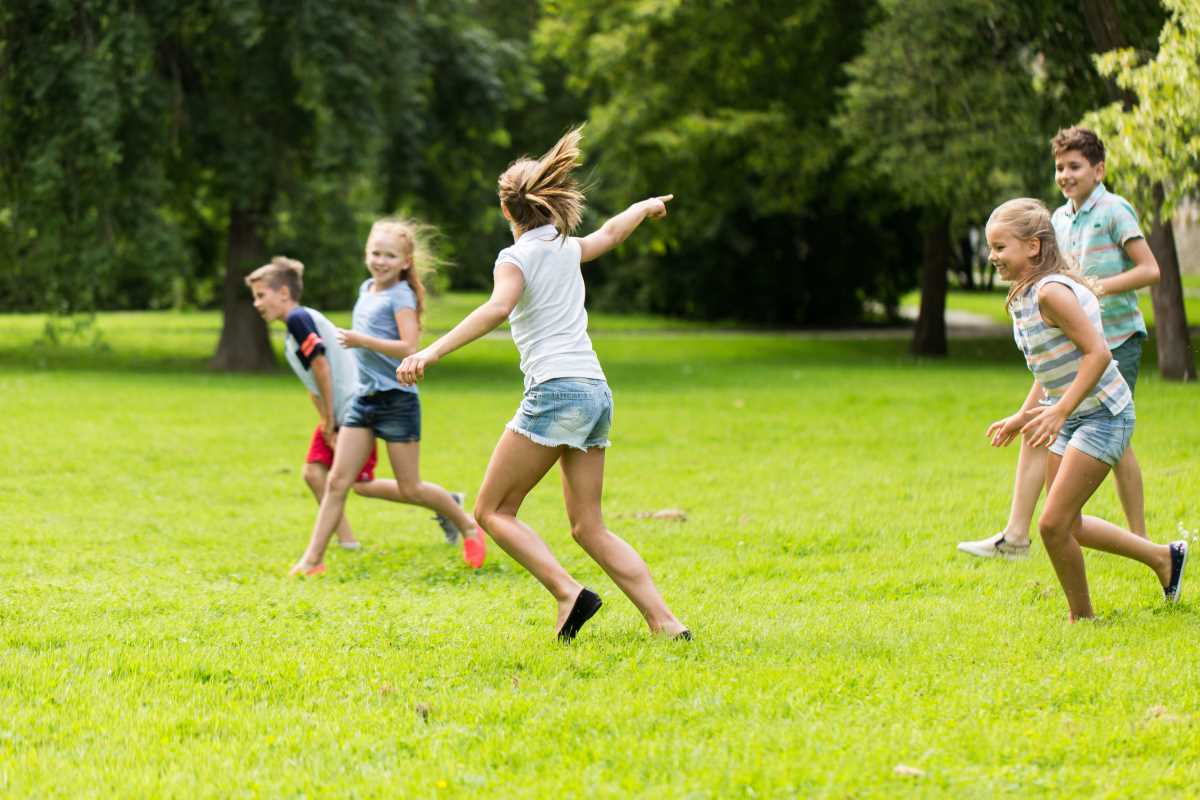
Parents often hope their children will enjoy the outdoors. Spending time outside offers many benefits, like stronger bodies, happier moods, and a greater appreciation for nature. It can be challenging to get kids to put down their devices and go outside. Real enthusiasm for nature comes not from big trips, but from making outdoor time a regular part of daily life. By making outdoor activities fun, starting when children are young, and showing your own excitement, you can help kids form a strong, positive connection with nature. This helps them develop lasting curiosity, find joy, and create special memories through their adventures. Encourage simple activities like playing in the backyard, visiting a local park, or exploring a nearby trail. These small steps can lead to a lifelong love for the natural world.
Start Small and Make It Fun
Treat nature like it’s an all-access playground. Building outdoor memories doesn’t require special trips or fancy gear. Instead, begin right at home or with frequent walks to a neighborhood green space. The most meaningful moments come from relaxed, pressure-free time exploring together.
Rethink “Outdoor Time”
Stepping outside can mean anything from gazing at passing clouds or hunting for unusual rocks to enjoying sandwiches on a blanket. For little ones, involving all their senses makes the experience memorable. Let bare feet squish into the grass, offer up a magnifying glass to spot tiny bugs, and marvel at the details around you. Each discovery, be it a leaf collection or the sound of chirping birds, nurtures comfort and fascination with the outdoors. Turn strolls into scavenger hunts with “find something red” or “listen for three different sounds.”
Give Kids More Control
Let children have some say in the journey. Go with the flow instead of a strict itinerary, so they can wander off the path, examine bugs, or linger in places that catch their eye. Their choices transform time outside into personal adventures rather than rigid lessons. Slowing down to match their pace leads to deeper exploration and wonder. What feels slow to you might be a magical moment of discovery for them.
Weave Nature into Your Routine
Regular time outdoors is more powerful than the occasional big outing. Including quick park visits, backyard fun, or simple walks as a part of everyday life makes exploring nature feel normal and exciting.
Explore Nearby Spaces
You don’t have to trek into the wilderness to find beauty and discovery. Many neighborhoods feature parks, gardens, greenways, or creeks just waiting to be explored. Choosing a favorite spot for weekly visits allows your family to notice changing flowers, wildlife, and weather. Kids connect more with places they visit often and learn that nature is fascinating in all its seasons, not just on vacations.
Move Daily Activities Outside
Consider what family routines or chores can be moved outdoors. Spread out homework or art projects on the patio. Read stories on the porch or enjoy dinner under the sky. Yard work, like planting seeds or raking leaves, becomes a shared adventure. Even a couple of potted herbs on the balcony can inspire questions and pride as children help water and watch them grow.
Focus on Comfort and Confidence
Making sure kids feel comfortable sets the stage for happy outdoor memories every single time.
Dress for Success
Weather sometimes shifts quickly, so wearing layers helps everyone stay comfortable. Start with fabrics that pull sweat away from skin, then add fleeces or sweatshirts for warmth, and finish off with a light jacket to block wind or rain. Pack hats, gloves, and sturdy shoes. The right clothes mean fewer complaints and longer, more enjoyable adventures. It also teaches kids how to prepare for changing weather.
Pack Plenty of Snacks and Water
Adventure makes kids hungry and thirsty fast. Always bring more snacks and drinks than you expect to use. Favorites like fruit, trail mix, or sandwich halves refuel little explorers and keep spirits up. Turn snack breaks into mini-picnics, giving everyone a chance to relax, chat, and look around.
Set the Example and Share the Wonder
The way you approach time outside rubs off quickly. Children notice your reactions, so your energy and curiosity are important.
Unplug and Be Present
Help kids put their devices away by leading by example. Notice the things they point out, squat down to look at bugs, or gently feel the bark of a tree. Your genuine interest in whatever fascinates them, no matter how small, shows that the world is full of things worth noticing. These shared discoveries build lasting bonds.
Learn Alongside Your Child
You don’t need to be a nature expert. Exploring questions together can be even more valuable than having all the answers. Use field guides or simple apps to identify birds, trees, or insects you see. Laugh together at funny-looking mushrooms or interesting stones. By being open to learning new things, you encourage kids to ask questions and find joy in discovering for themselves.
Cultivating a love for nature in children is less about single grand moments and more about a series of small, positive experiences. Keeping things flexible, comfortable, and curious shows kids that nature is always rewarding and never out of reach. This approach gives children confidence, a sense of adventure, and memories that will stay with them for a lifetime.