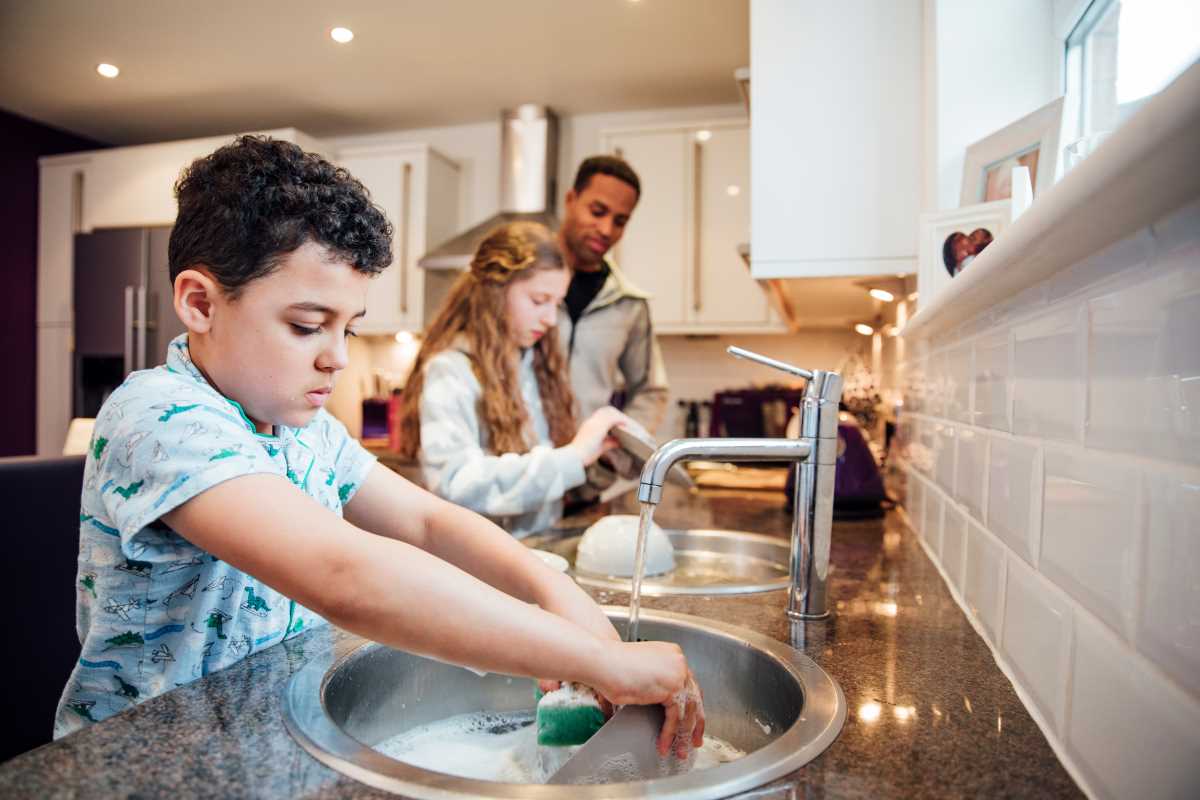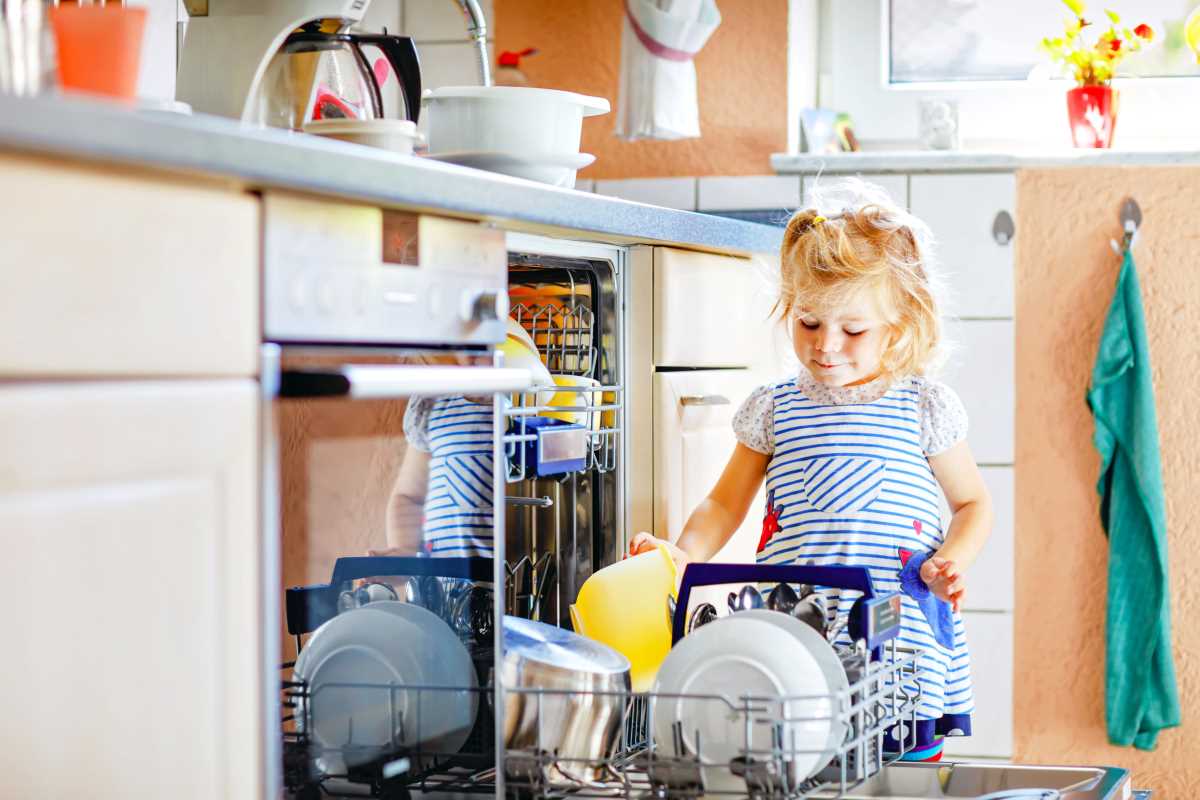
Many parents struggle to get their kids involved in daily household chores. It can feel frustrating when children don’t seem eager to help or start tasks on their own. Often, this leads to constant reminders, making deals, or just doing the chores yourself to avoid arguments. But, creating a family culture where everyone pitches in is possible. Start by changing the way you talk about work at home. Focus on teamwork, encourage a sense of accomplishment, and emphasize the importance of caring for one another. Get kids involved early with age-appropriate tasks. Show them how their efforts contribute to the home and how teamwork benefits everyone. These small changes can help build lifelong positive habits around responsibility.
Let Kids Pitch In Early: Imperfections and All
Young children naturally like to copy what adults do. Little ones will often follow parents around, wanting in on whatever is happening, whether it’s washing the floor or stacking items. This is a great stage for introducing helpful habits. Waiting until they’re older often means missing out, as older kids may see housework as something to avoid.
Let Them Try, Even When Things Get Messy
Very young children might not technically “help” when they sweep or wipe a table. Sometimes, there’s more mess than before. It might seem faster to take over, but instead, offer them a broom that fits their size or let them try with what’s available. Comment positively on their effort: “Thanks for sweeping with me!” What matters most is that they feel involved. Early encouragement helps kids build a sense that everyone’s efforts are appreciated and important, even if things aren’t done perfectly.
Applaud Effort, Not Just Results
Older kids will also make beds with crooked sheets or leave streaks on counters. Rather than quietly fixing their work, recognize what they accomplished. Appreciation for what they’ve done supports confidence. Tips for next time can help, but let their own attempts stand. Skills will improve with time, but first, they need to feel that participation counts.
Choose Tasks That Fit Each Age
Being given work that’s too hard can make anyone frustrated. Assigning chores that match a child’s age and ability means they can truly succeed and become more willing to keep helping. Splitting big jobs into simple pieces helps everyone feel capable.
Younger Children (Ages 2–5)
Little ones are all about hands-on learning and movement. Make responsibilities fun and straightforward.
- Ideas: Pick up toys and put them in a box, put dirty clothes in a basket, use a cloth to wipe surfaces, or pretend-dust with a feather duster. These easy jobs give a quick sense of completion.
Elementary School Kids (Ages 6–9)
Children this age are growing more independent and enjoy being useful. They can complete more complex tasks and appreciate fairness.
- Ideas: Set the table for meals, feed the family pet, water houseplants, fold laundry, put their clothes away, or keep their bedroom tidy. This is a great age for helping kids see how their work benefits everyone.
Tweens and Teens (Ages 10+)
Older children can manage most jobs at home. Giving them special responsibilities builds trust and prepares them for adulthood.
- Ideas: Make simple recipes, help with shopping and putting groceries away, do full loads of laundry, mow grass, or clean assigned rooms like the bathroom.
Use Language That Builds Teamwork
How you talk about work at home shapes the way everyone thinks about it. Words matter a lot. Instead of using “chores,” which can sound negative, try “contributions” or describe tasks as ways to help out.
Make It a Team Effort
Speak in ways that connect everyone to the work. Say, “Let’s pick up the living room so we can all enjoy it,” instead of focusing on one person’s fault. Or after dinner, “How about we all get the kitchen cleaned up so there’s more time to relax?” Position yourself as part of the group, not just someone handing out tasks.
Show the Value of Helping
It’s easier for kids to care about work that feels meaningful. Explain why their actions matter. For instance: “It helps everyone when you unload the dishwasher, because we have dishes ready for dinner,” or “Folding laundry together means we can do something fun afterward.” Tying effort to real benefits shows that what they do makes a difference.
Move Away from Constant Rewards
Attaching rewards or payment to every task might seem to encourage participation, but over time, kids may help only if there’s something in it for them. True motivation should come from belonging and pride, not just treats or money.
Think Carefully About Allowances
Paying for basic jobs teaches kids that these activities aren’t essential, and can be skipped if they don’t need what’s being offered. As they get older, they might negotiate or refuse. Instead, separate allowance from routine housework. Let them practice with money, but make clear that helping is part of being a family.
Build Good Habits Through Simple Routines
Most children respond well to structure. Having regular times set aside for tidying or cleaning removes a lot of power struggles. Routine works better than nagging and helps make new habits stick.
Set Regular “Family Tidy” Sessions
Pick set times for everyone to help out. This could be a quick team clean-up at the end of the day or shared bigger tasks over the weekend. Consistent routines replace negotiation and create a sense of shared responsibility. Tasks become second nature, not a daily debate.
Use Visual Reminders
Younger kids especially like visuals. Make a chart using pictures to show what jobs they’re responsible for, such as a neatly made bed, brushed teeth, or a basket for toys. This helps them keep track and builds confidence as they check things off themselves.
Encouraging children to pitch in at home is more than getting the floors swept or the laundry folded. These shared responsibilities teach them about respect, collaboration, and capability. As they grow up, they’ll have more than skills to offer. They’ll carry with them the understanding that the well-being of their home, and the people in it, matters.